Essays, ethnographies and field stories by Sindhoor Pangal — 39 pieces. Also: guides, press kit & policies ↓
My paper, The Open Palm Gesture in Human–Dog Communication: An Exploratory Synthesis, has just been published and it's over 14,000 words! So, here's a shorter version, for those wh
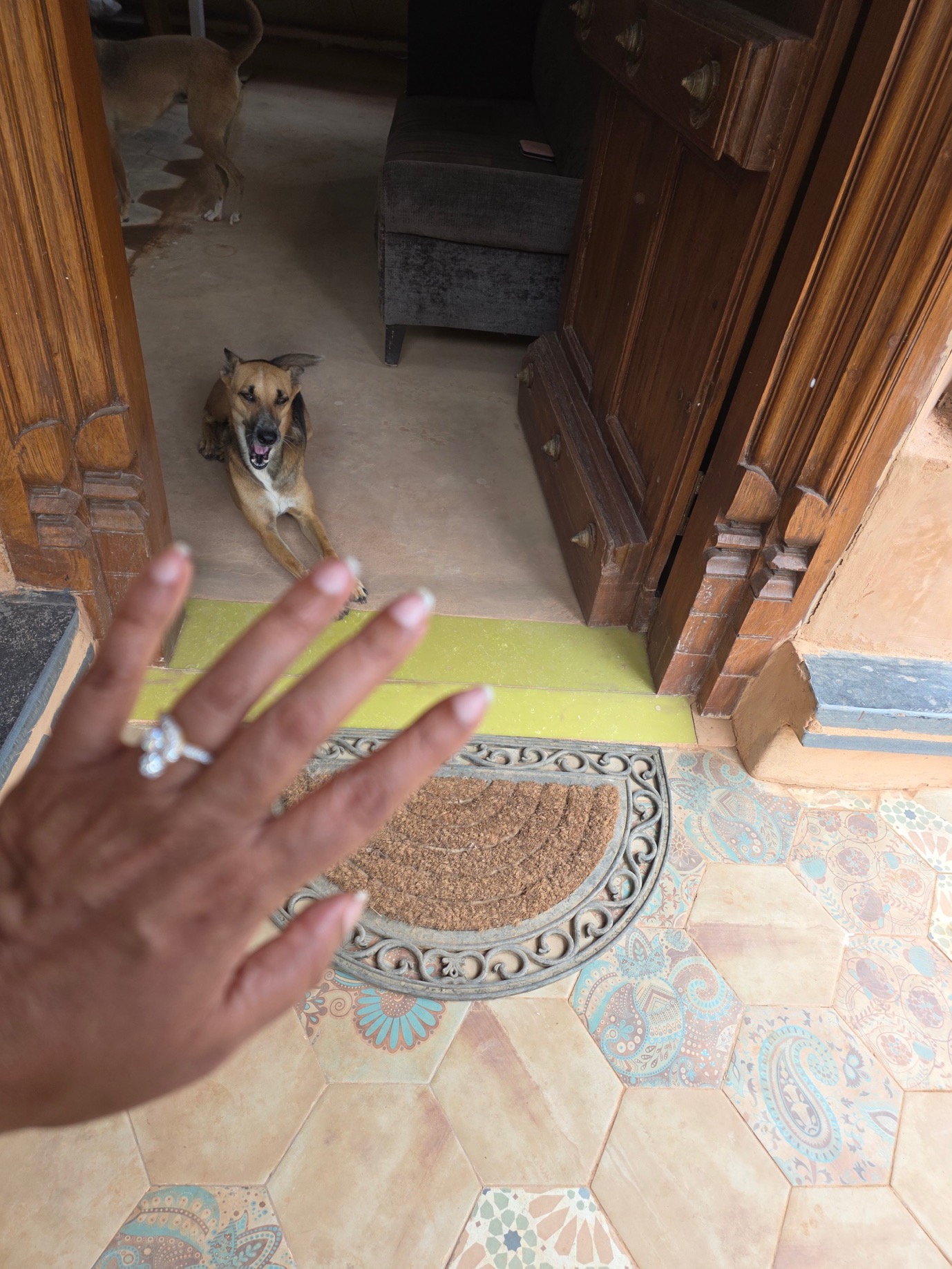
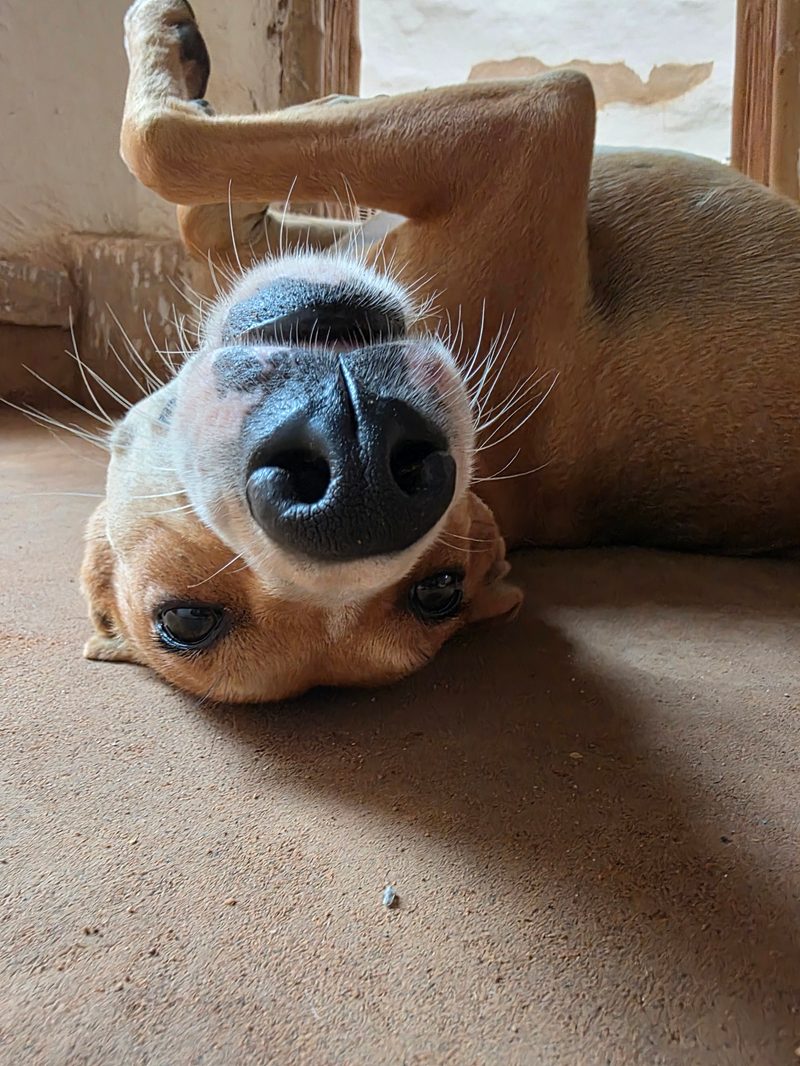
Today, I want to write about Yaya. If you’ve been following our Lives of Farmies series, you’ll recognise her as one of Chaita’s daughters. I’ve written about her father, Dude, and
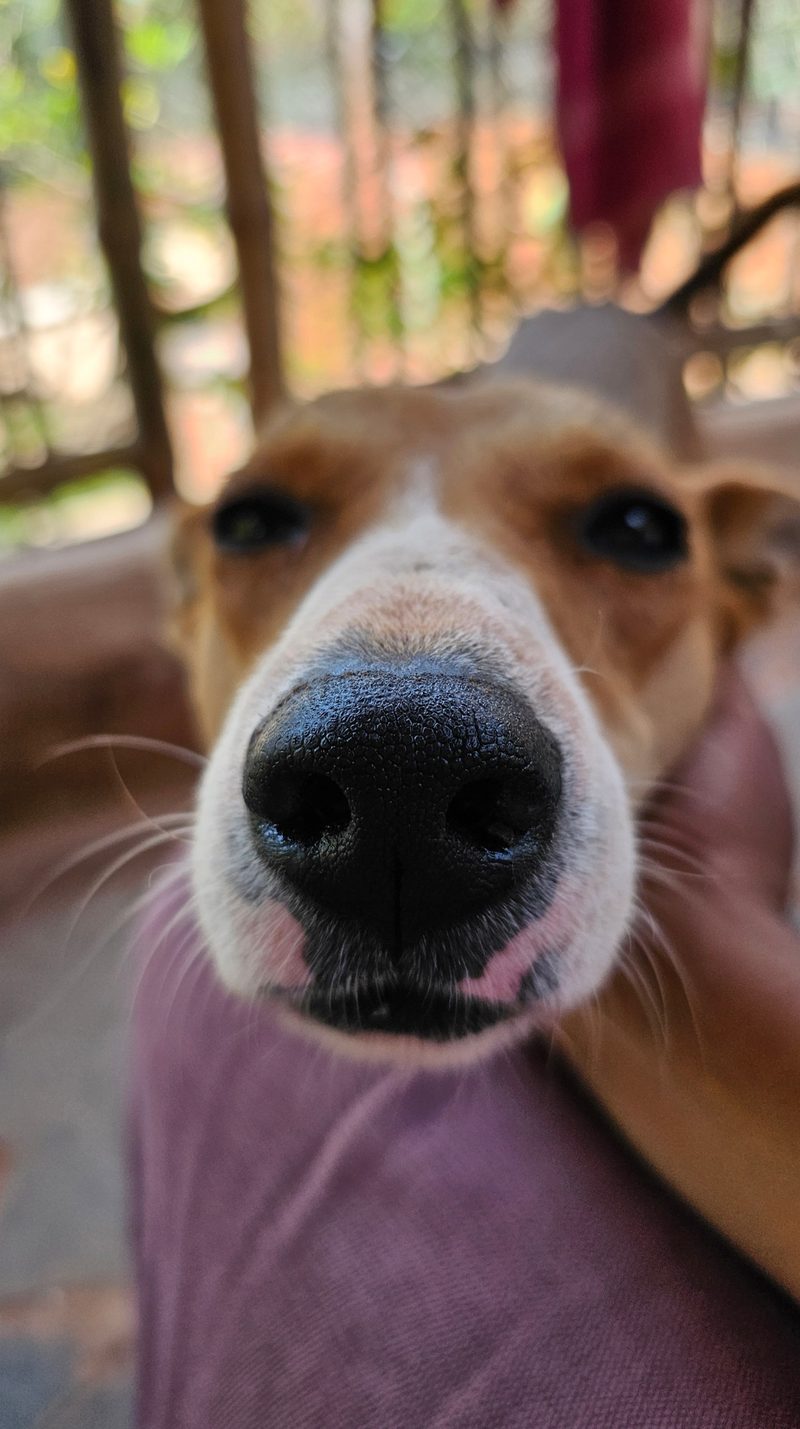
The idea that dogs can “smell fear” and will attack fearful people is deeply embedded in popular culture. You’ve probably heard it as advice: “Don’t show fear around dogs or they’l
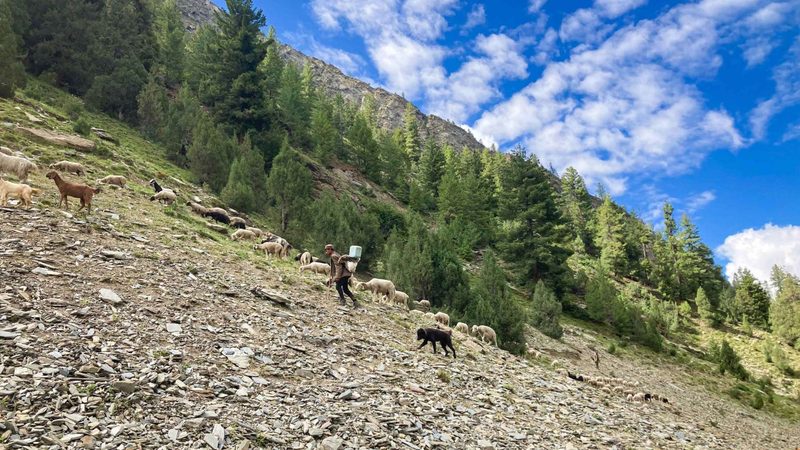
Are free-living dogs causing conflict with wildlife—or are they quietly preventing far more dangerous encounters between humans and wild animals?
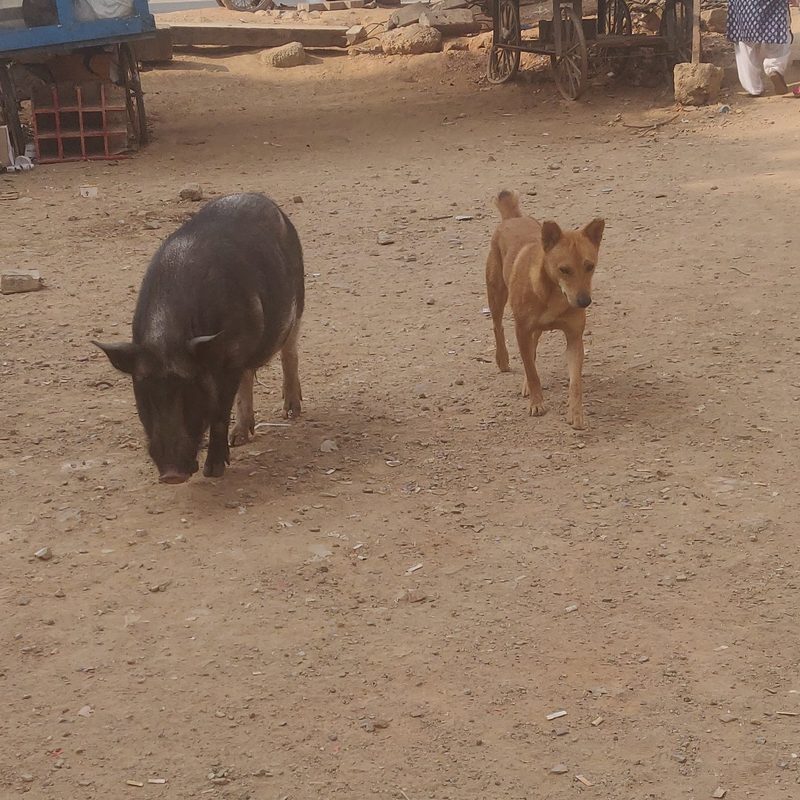
The New York Times feature “Feral Dogs on the Roof of the World” makes for compelling reading: packs of dogs harassing snow leopards, chasing livestock, prowling the edges of the T
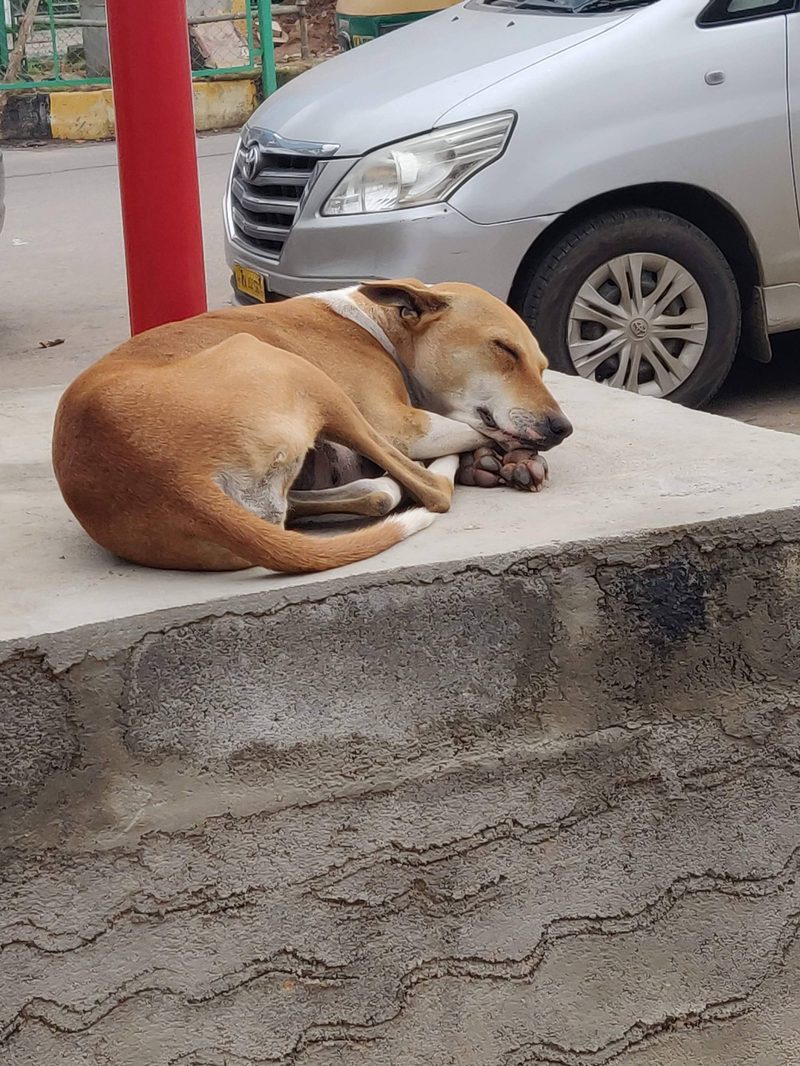
When the court asked whether one can read a dog’s mind to anticipate a bite, it rightly observed that prevention is better than cure. We agree. However, prevention must be scientif
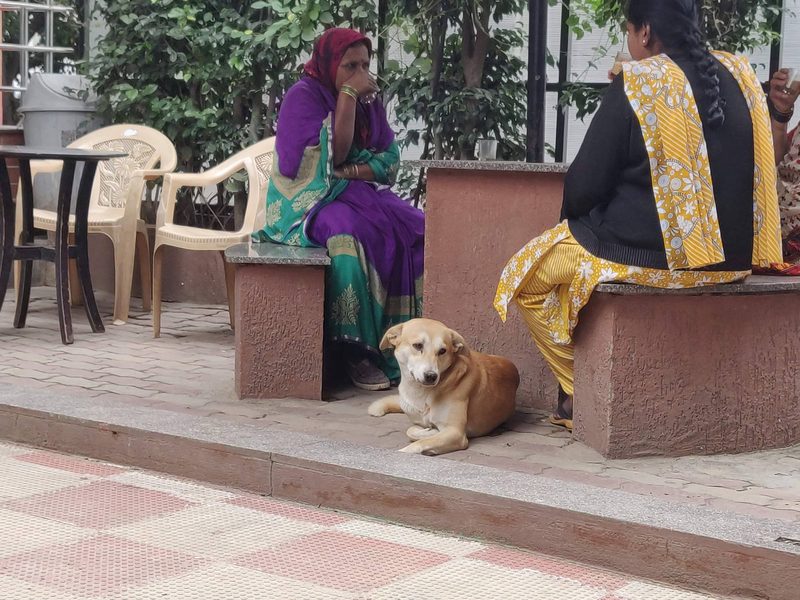
India is not yet a rabies-free country despite decades of scientific clarity on how the disease can be eliminated. The tools are well known: mass dog vaccination, sustained coverag
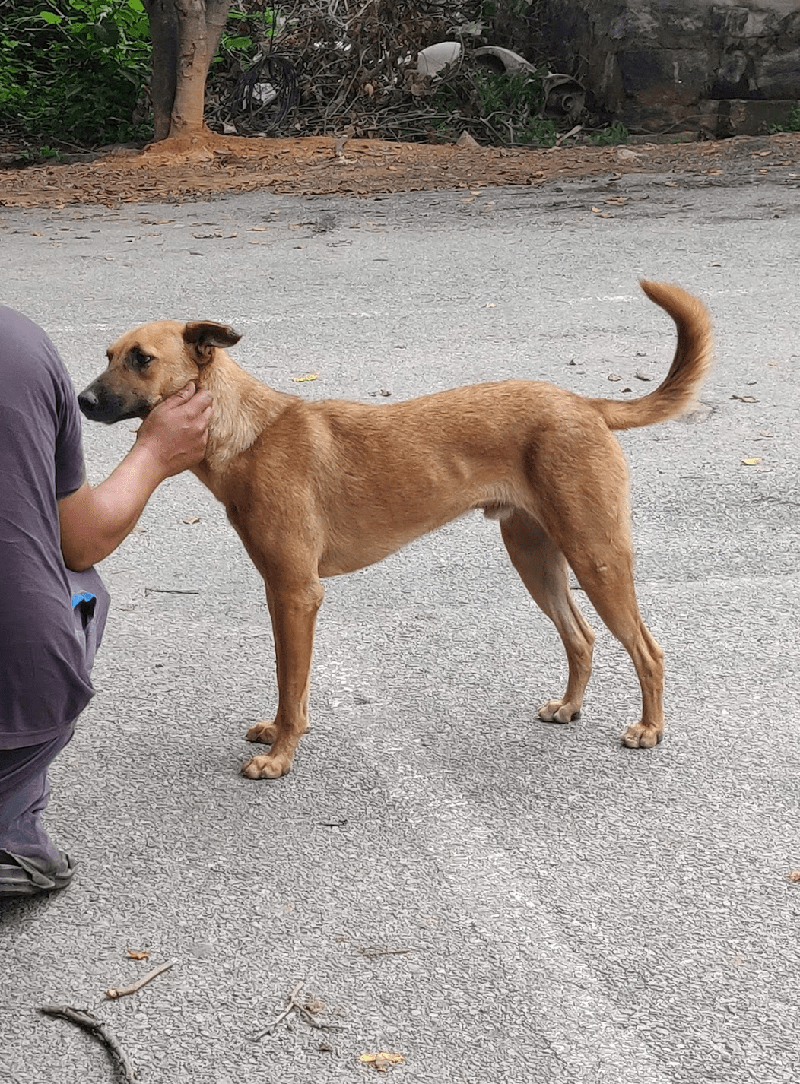
Recent directives to clear free-living dogs (FLDs) from public spaces—including schools, hospitals, and transit hubs—have been framed as a necessary public safety measure. However,
India stands at a critical juncture in its public health journey. After two decades of remarkable success—evidenced by an 88% drop in reported human rabies cases between 2005 and 2
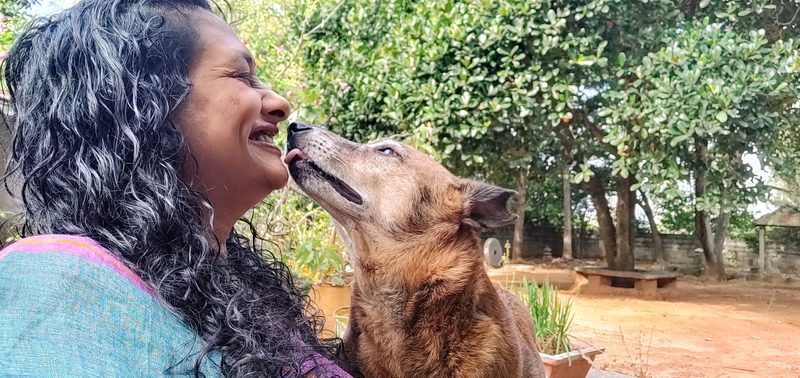
I was once posed a probing question: What should we do if our dogs do not love us enough? This query immediately took me back to a conversation I shared with my late husband, Uttam
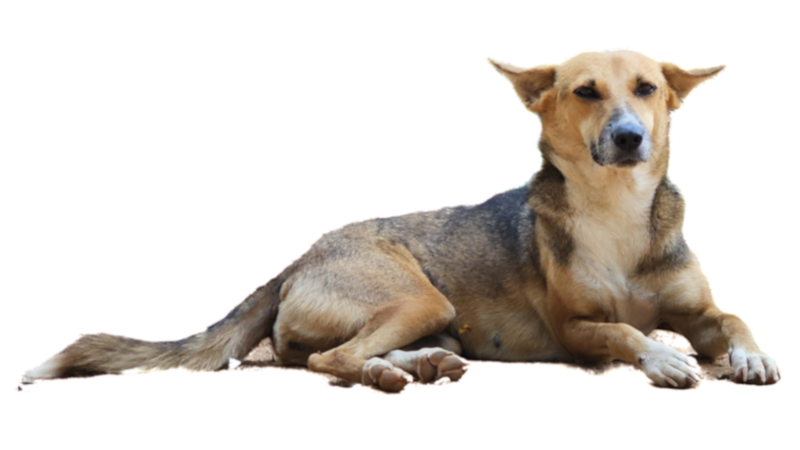
Let’s talk about dominance. Yes, it seems a bit dated to talk about it now, given my current audience is comprised mostly of scientifically aware R+ trainers, training school facul
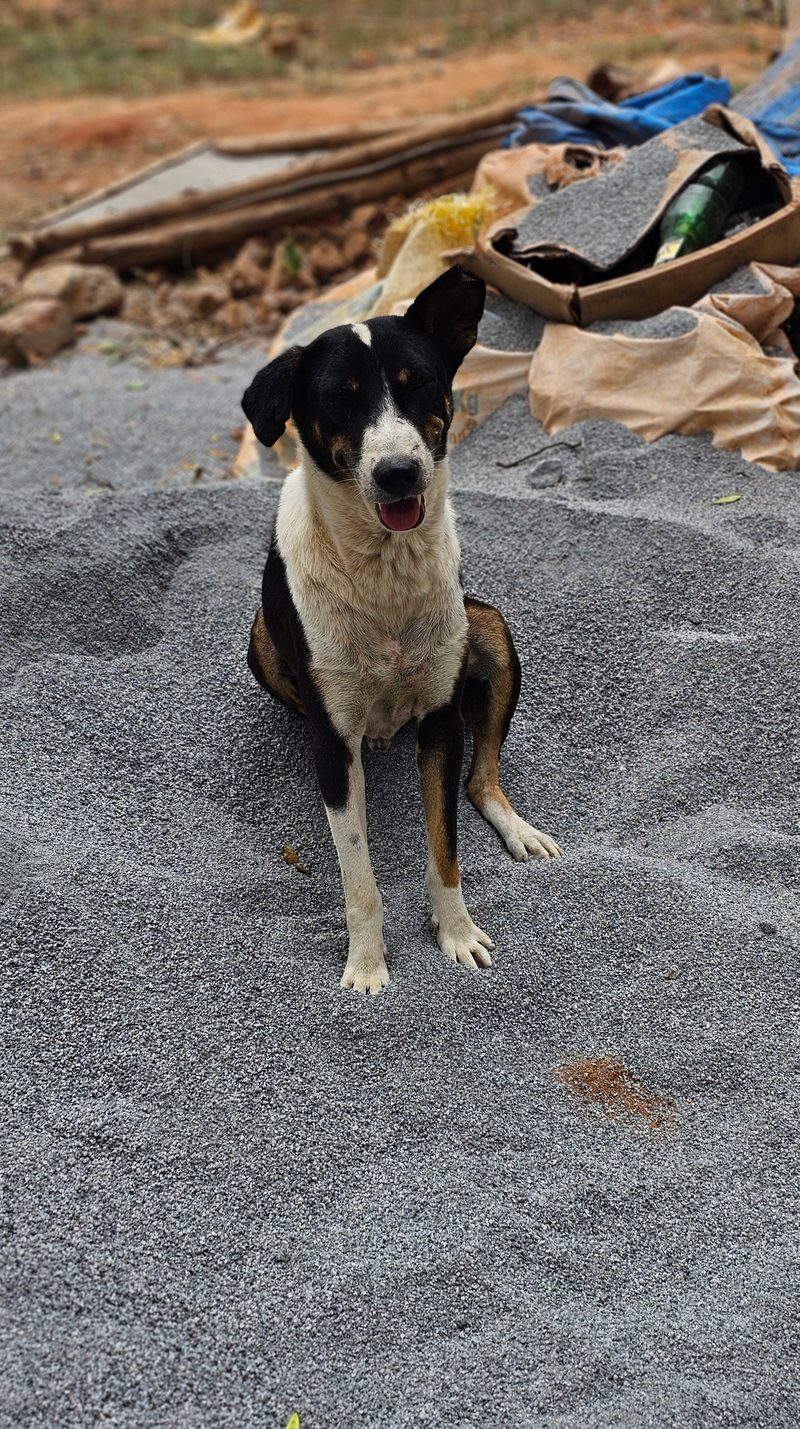
I have not been on my farm for a while now, but I visit often. I got to meet the “Front Gate Family” during my latest visit. Some of you know them. The mum’s Chaita, the dad’s Dude
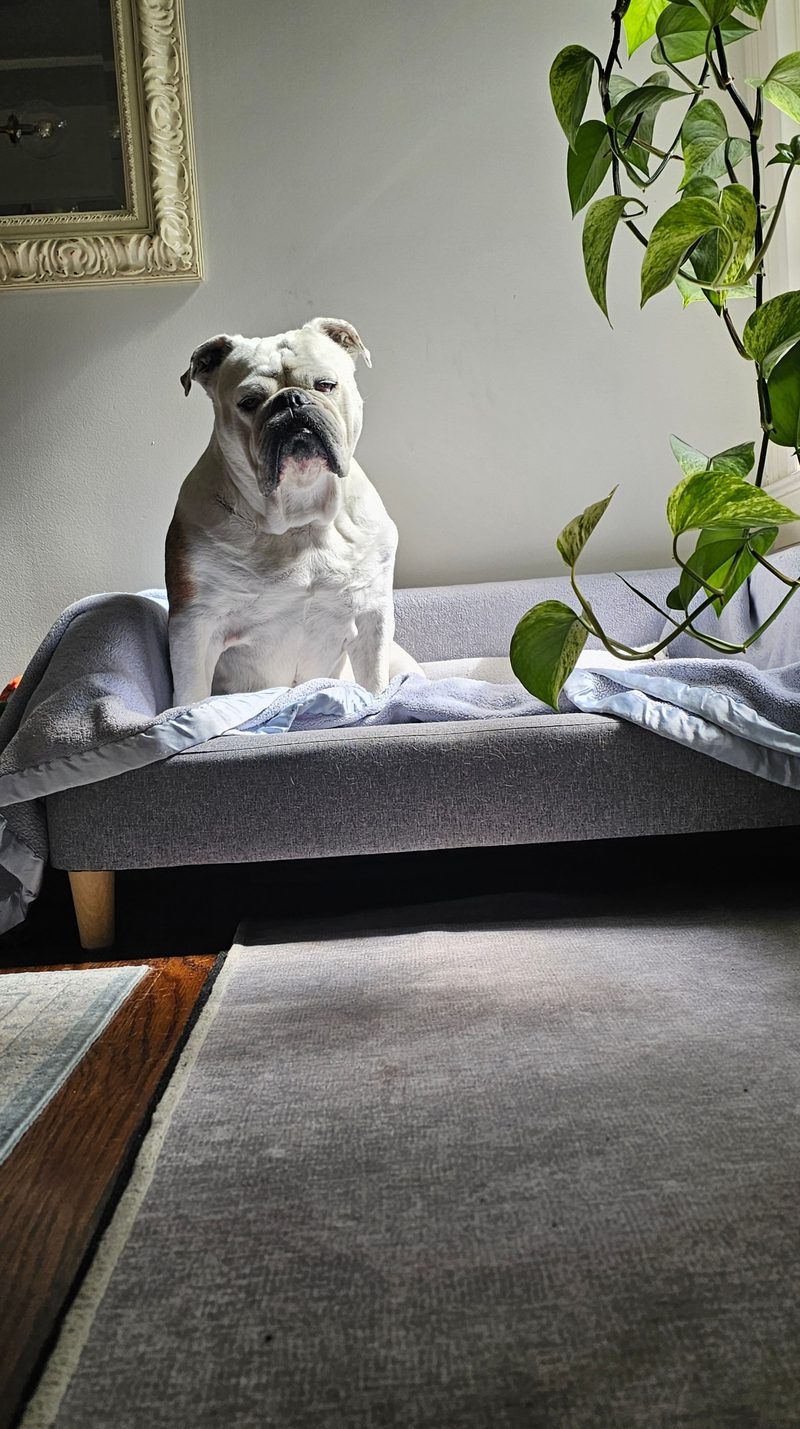
Thanks to a generous gift from a friend, I got to spend some time with my sister. I loved my time with her. We did some fun things and had some lovely conversations. One such conve
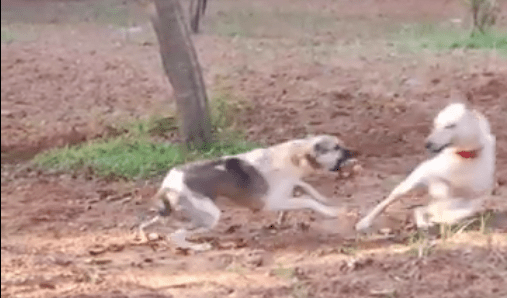
The dog who is barking in this video is Madonna and the other dog is Rocky. After I shot the video, I was very hesitant to share it because I was sure people would be quick to slap
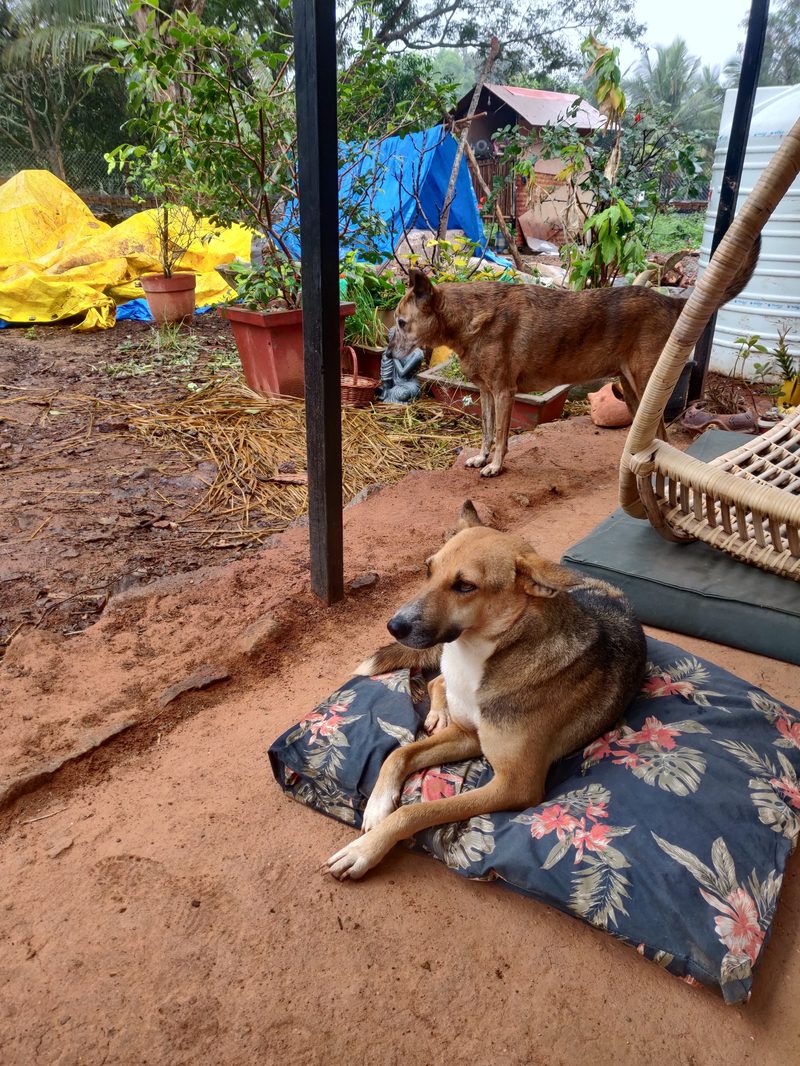
Stories from our annual Diwali “escape the crackers” vacation! We spent this year too on a farm and as always, the farm has its own dogs and there are other guests who have turned
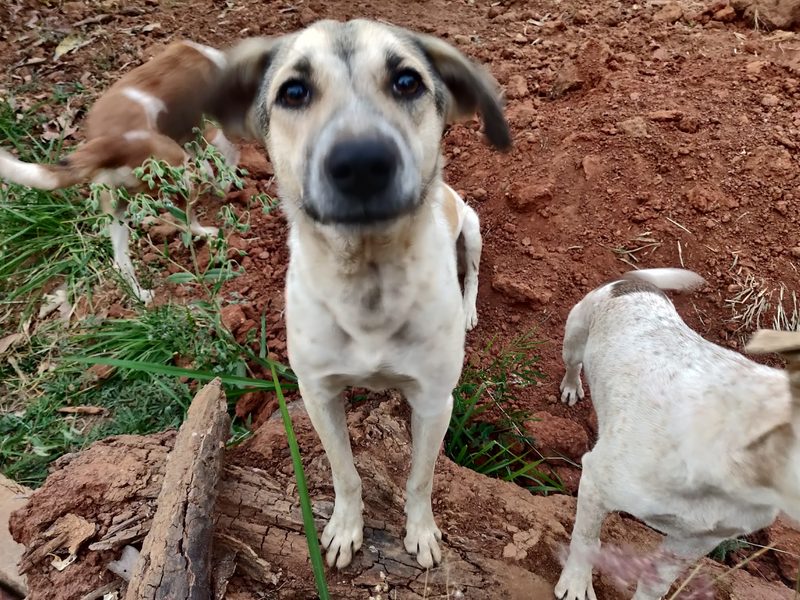
Here we have a lovely video of three of the farmies engaged in play. I could watch them all day long. Well, they spend most of their time just lazing and sleeping, so there is not
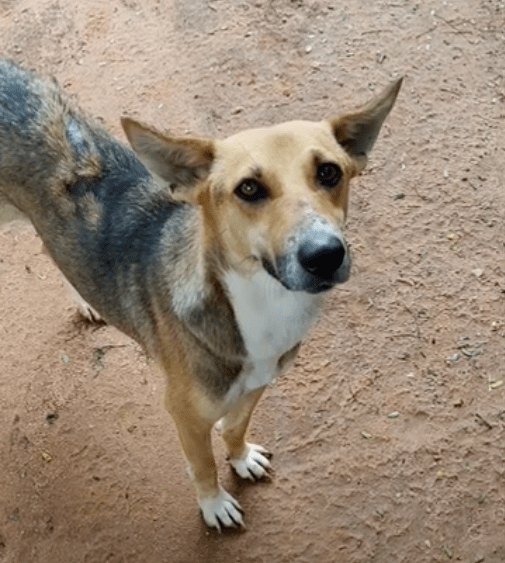
To me, the star of this series will always be Chaita. She was not the first to turn up at my construction site, but once she did, she instantly bonded us and turned up every single
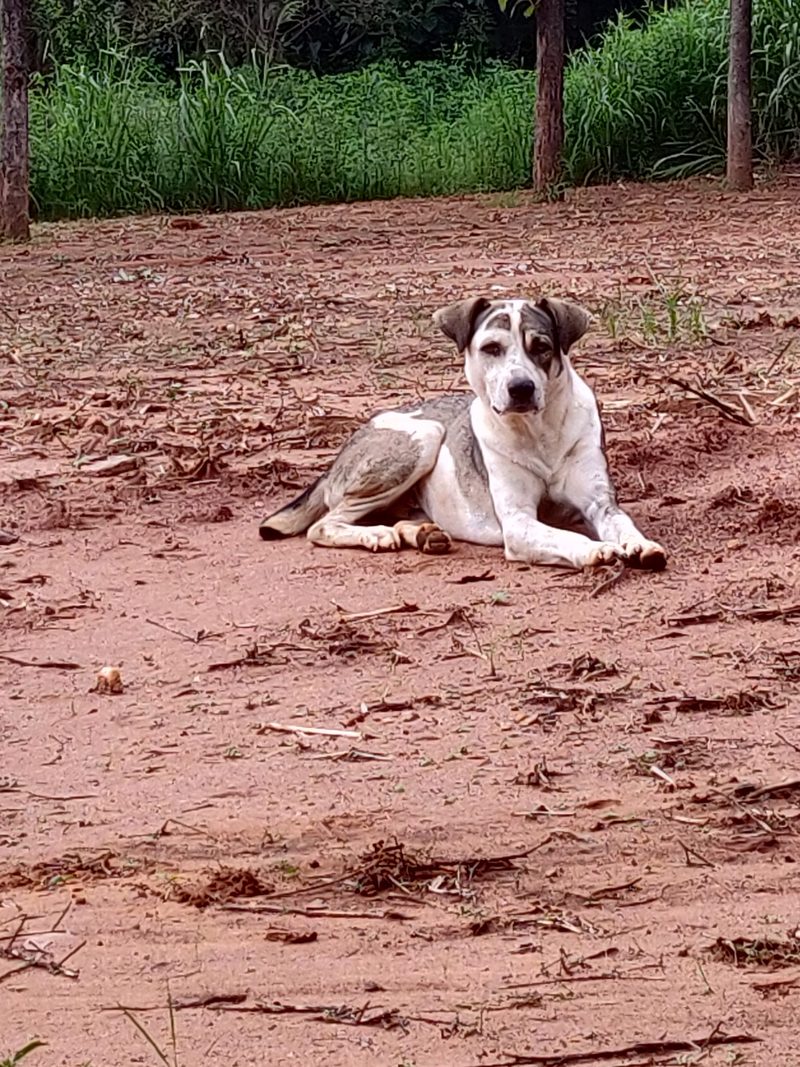
Lives of farmies! Let’s start at the beginning. First, there was Elvis. He was one of the first to arrive on our site and Cheeru and he hit it off. He was Cheeru’s first friend in
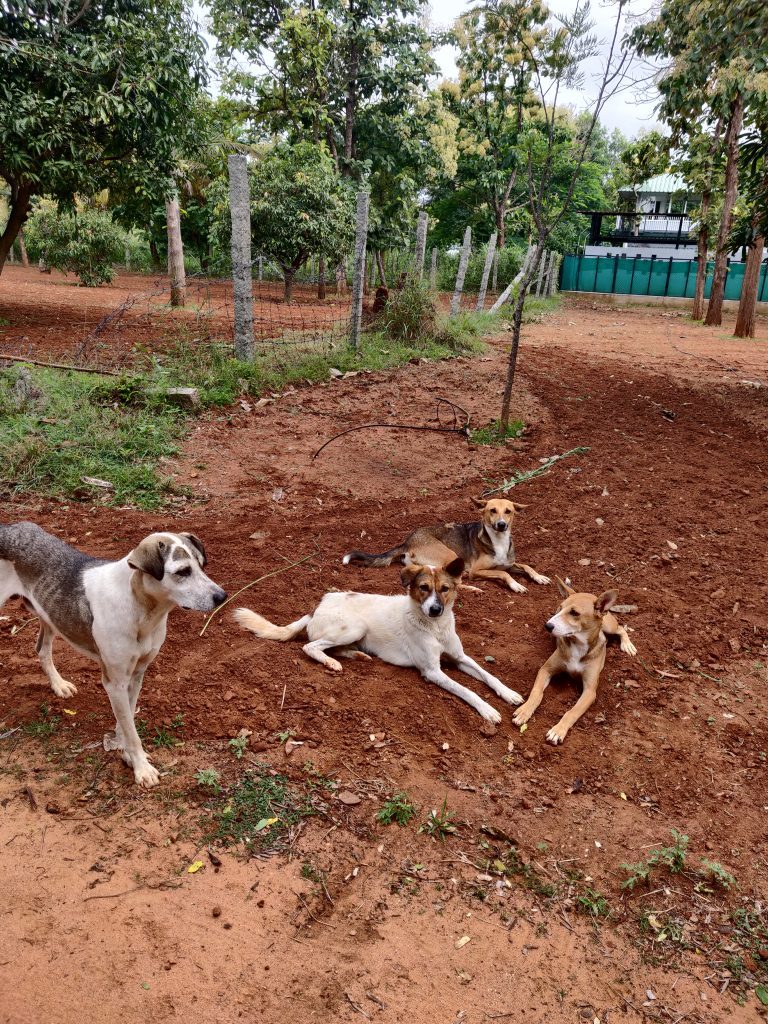
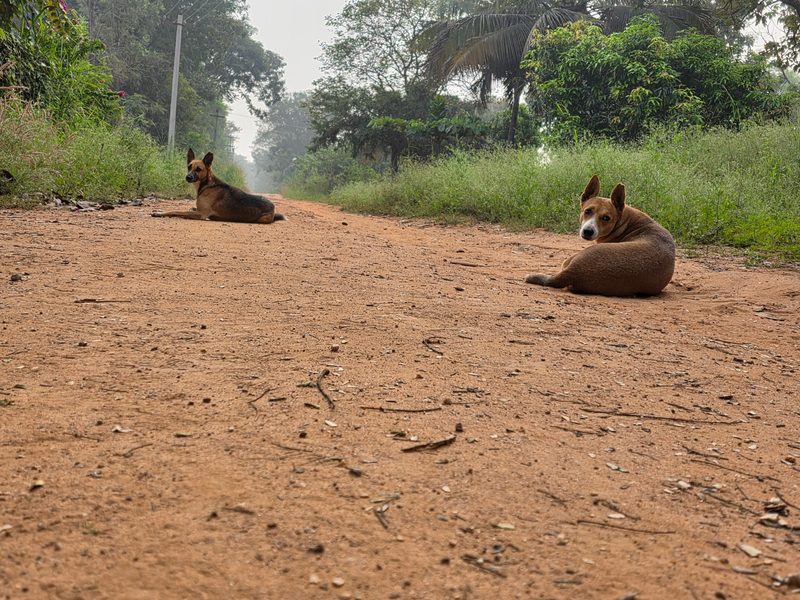
This is the start of a series. An ethnography, if you will, of Cheeru and the free-living dogs around my farm – Chaita, Dude, Iti, Yaya, Elvis, Rita and Biscuit. I have a lot to te
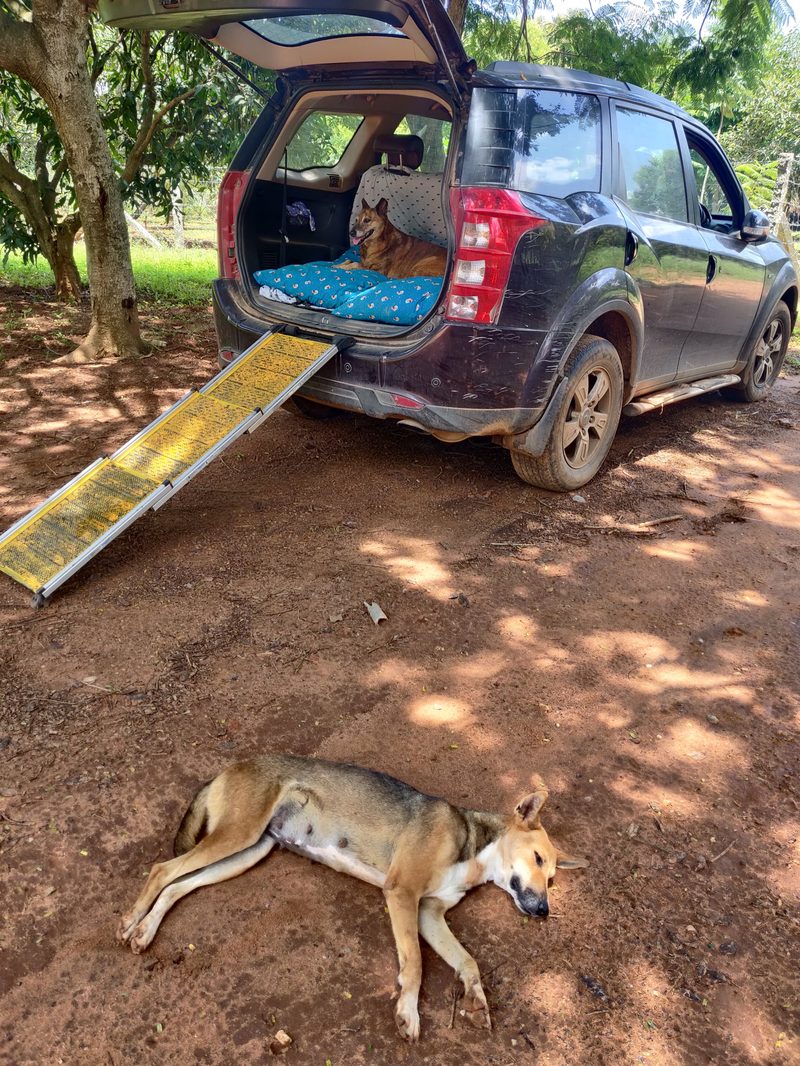
A big mistake many of us make when we get dogs is that we have a preconceived notion of what a dog or a breed should be. But animals, much like humans, have personalities, historie
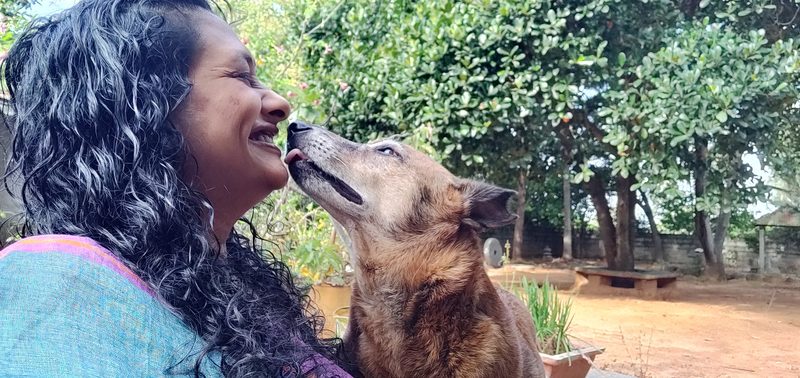
Cheeru is generous with her show of love
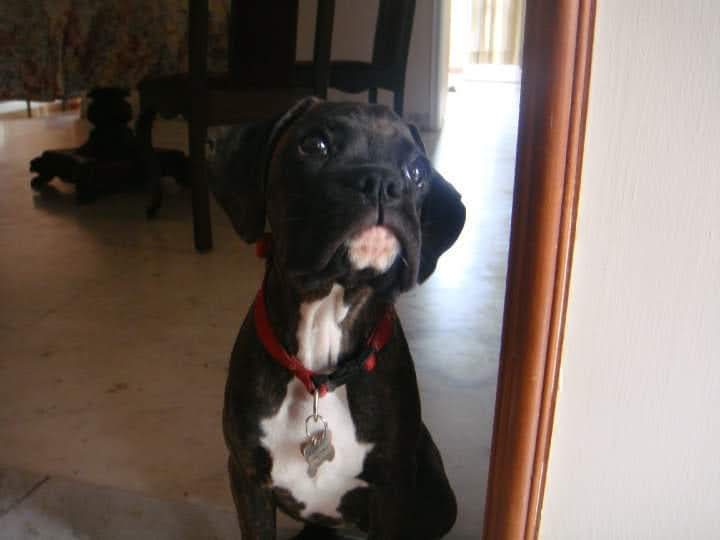
As a puppy, Nishi was trained to sit on cue, which she did often
The question of how dogs learn to cope with fear became relevant to me when my dog Nishi met with a horrific accident and as a result developed a fear of dogs, making her dog-react
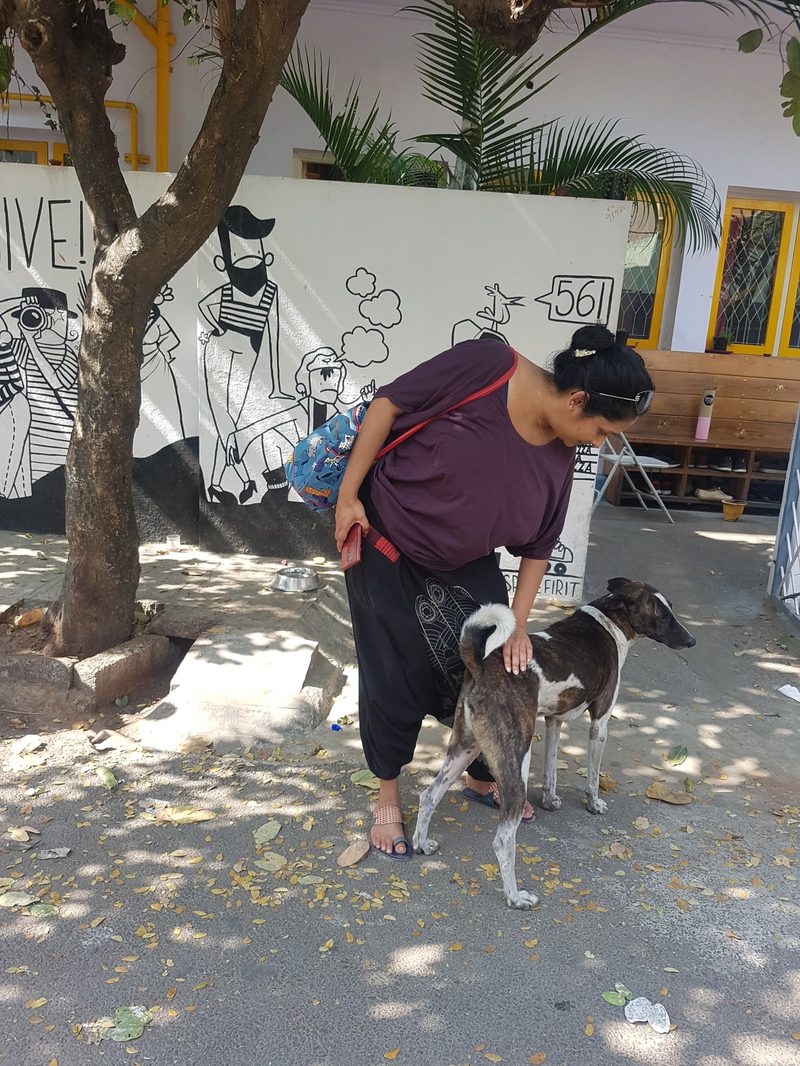
During our classes, I explain to students that they need to take time before touching a dog and first check if the dog is okay with touch. In our last class, one student asked me h
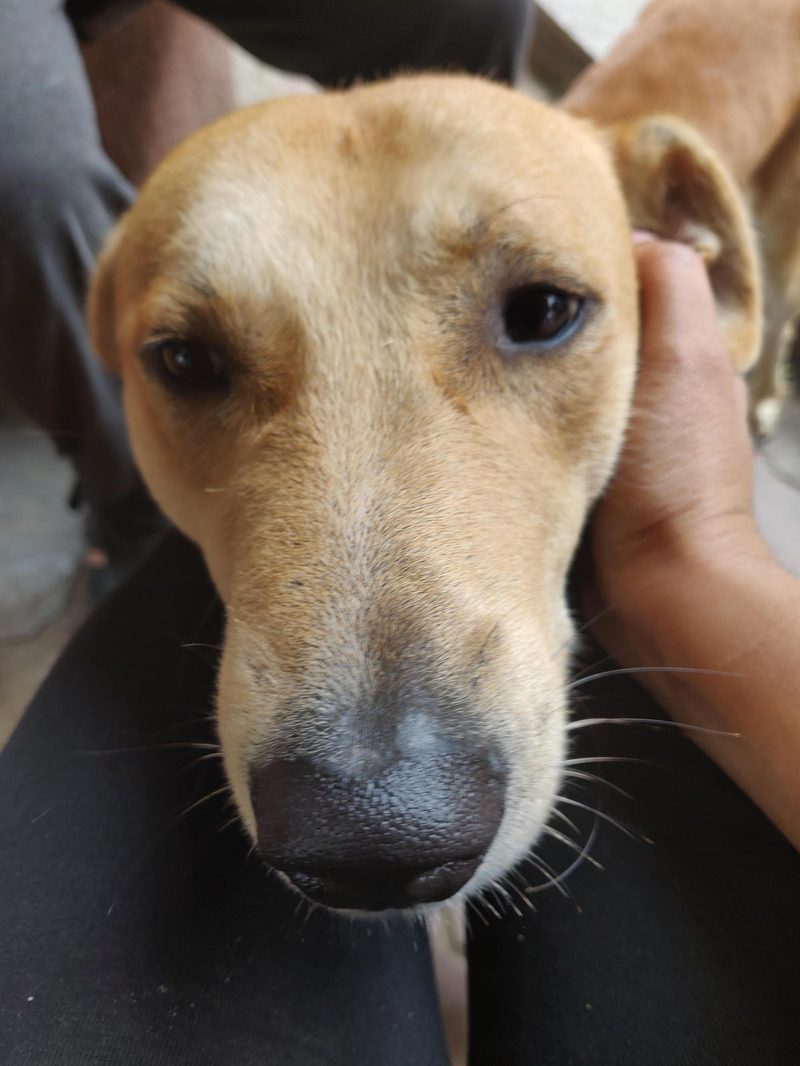
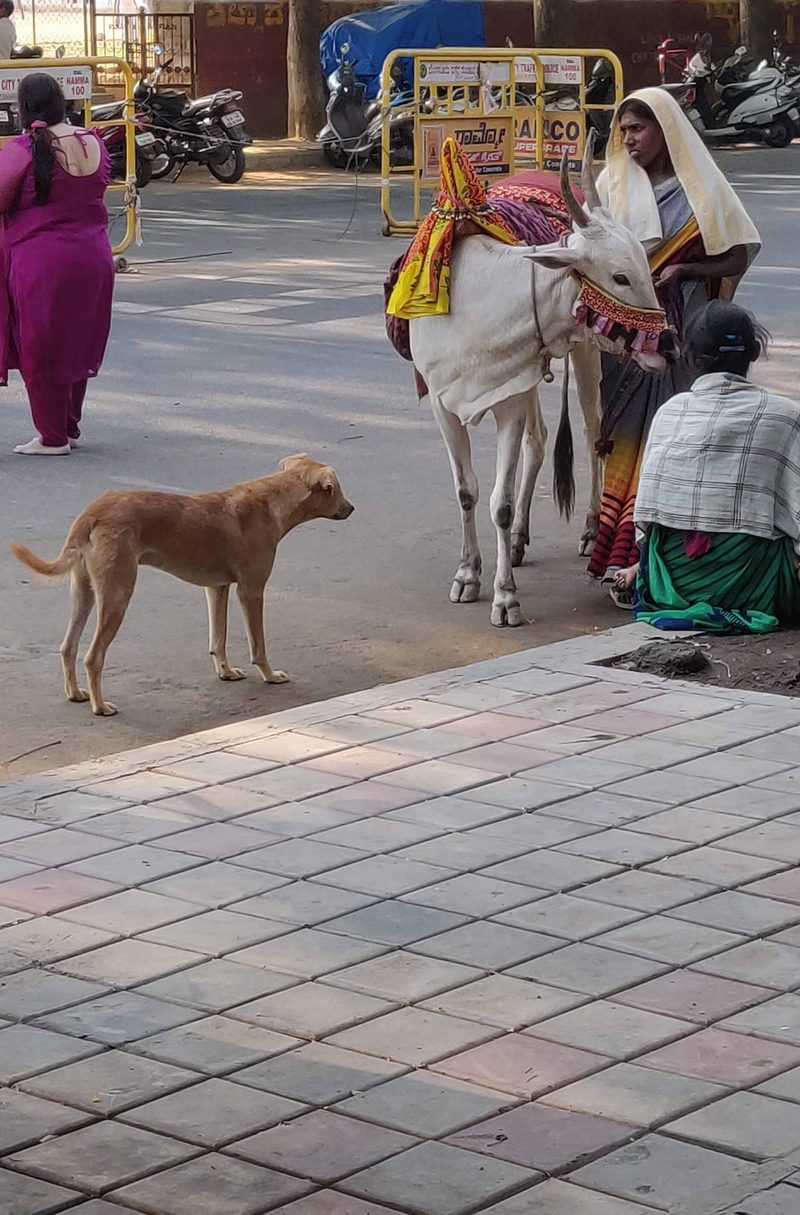
India has several different free living dog populations – street dogs, stray dogs, feral dogs & wild dogs. Each of these are distinctly different, but unfortunately all of these te
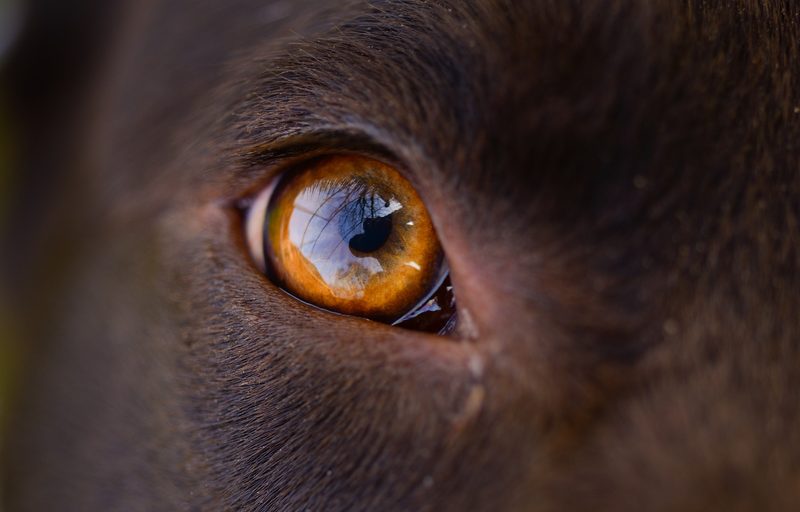
Dog trainers will often tell you a big part of their job is helping owners see things from a canine point of view. Humans and dogs have established a remarkable way of communicatin
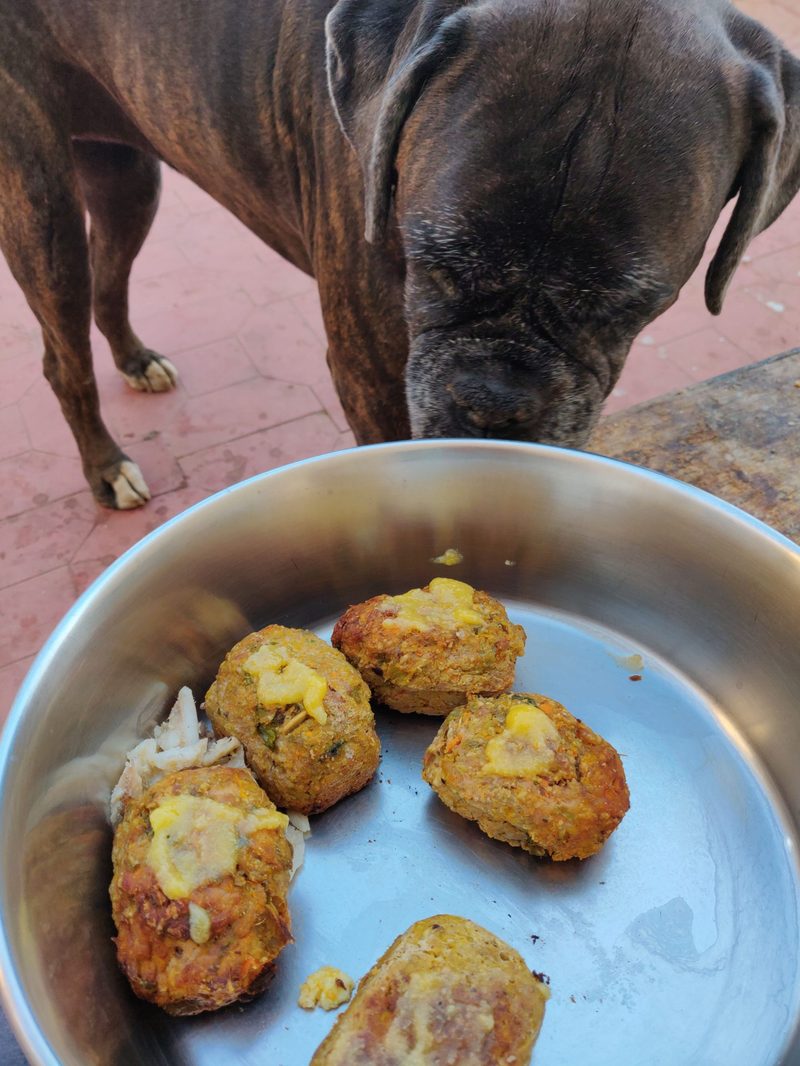
I often talk about discarding labels and we recently had yet another reminder of why that is important when trying to understand an animal’s behaviour. Labels often can carry an un
We just concluded a lovely event to celebrate the launch of BACBEC 1, the first of our online certificate courses on Canine Behaviour & Ethology. The course requires students to co
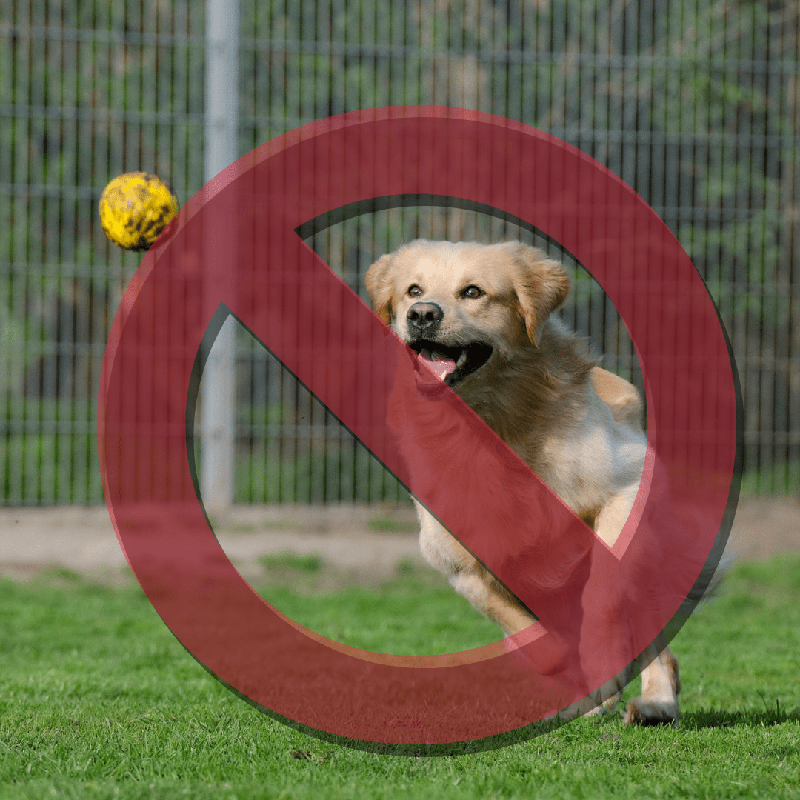
The team at Canine Arthritis Management (CAM) can often be heard telling owners that ball throwing is not an ideal activity for their arthritic dog. In fact, CAM would go as far as
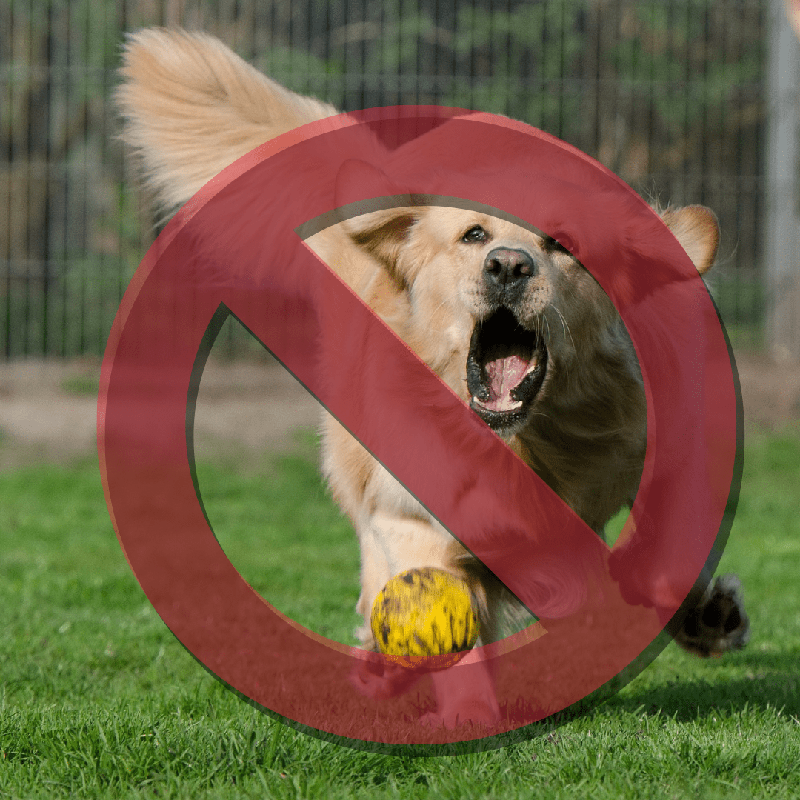
In this guest blog, Jen Leslie writes about her pilot study on the impact of over exercising on dogs. While the sample is small, the early results are powerful and warrant a closer
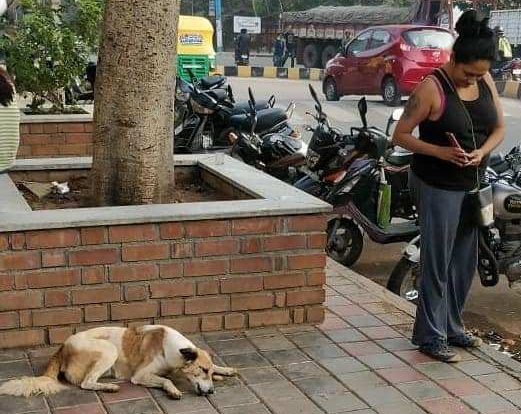
She does not seem to mind the filming as long as I am not facing her
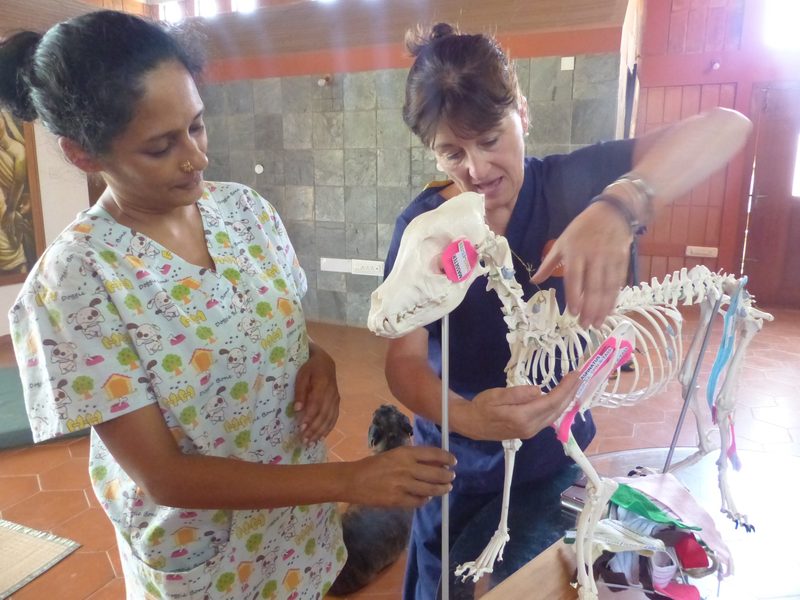
In this blog, myotherapy pioneer, Julia Robertson explains the anatomical impact of equipment we use on our dogs.
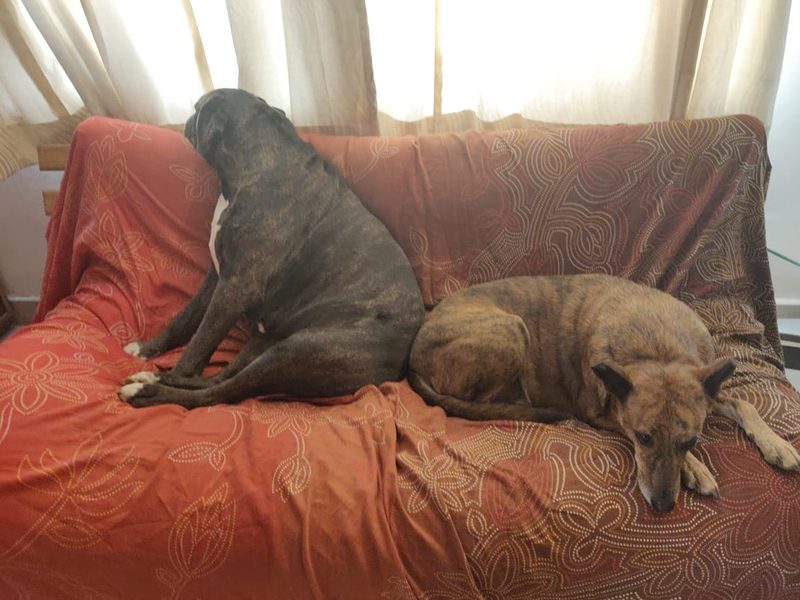
…If Cheerwal is on the sofa and if Nishi tries to climb on it, Cheerwal gets angry and a skirmish may ensue…
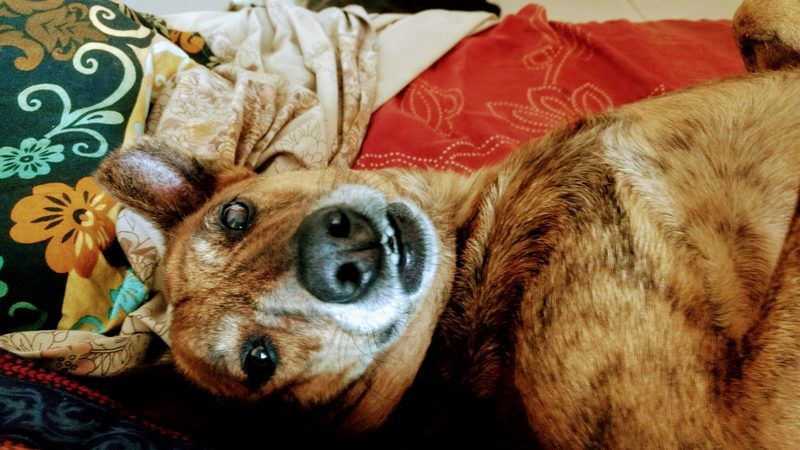
I have just completed two rounds of my new workshop, where we work on body language. After having spent more than 32 hours, instructing on body language, I reminded myself to get b
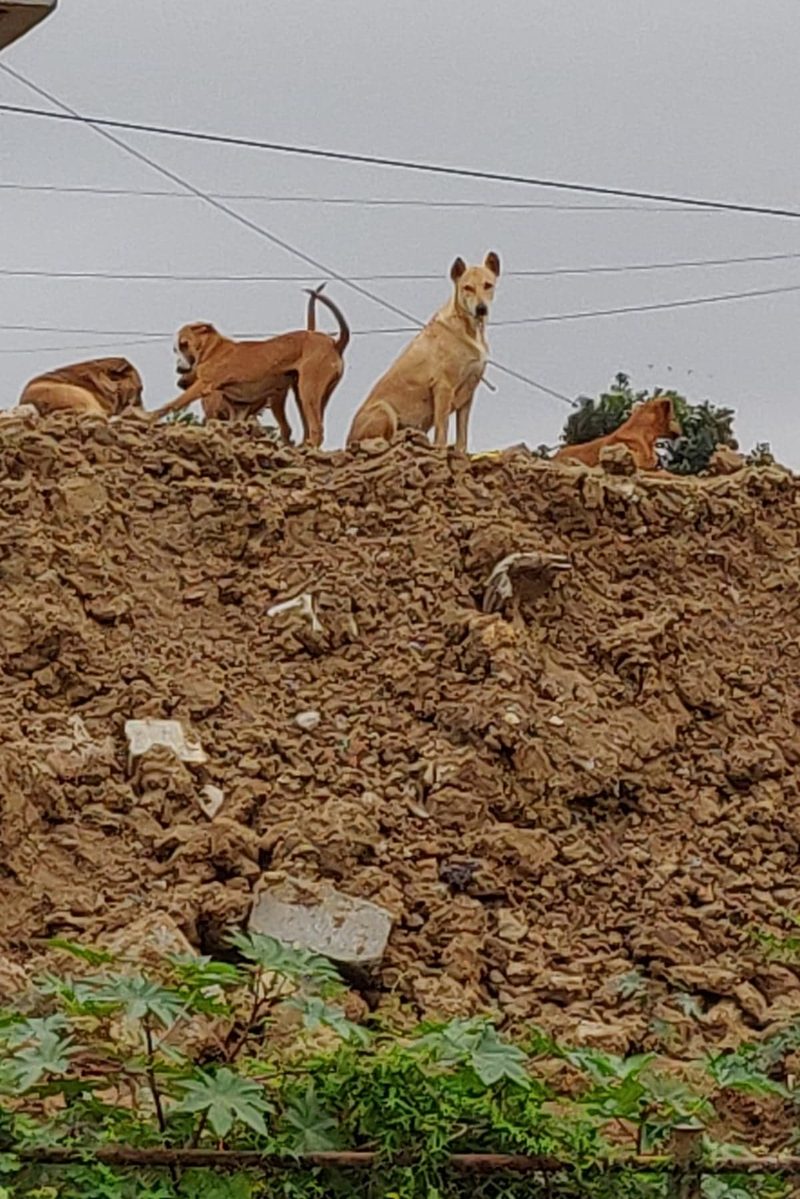
Recently a US citizen got bitten by a street dog in India and died. When things like that happen, there’s often an uproad – kill the dogs…kill them all! Well, some try to sound log
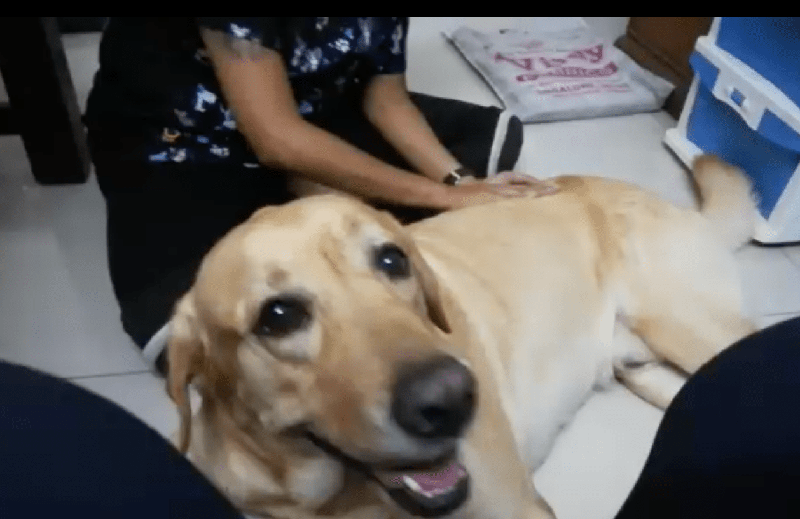
Turid has a tendency to repeat a few things over and over to us. One of them is “pain always affects behaviour”. Sounds fairly obvious. But it has taken me all these years of work
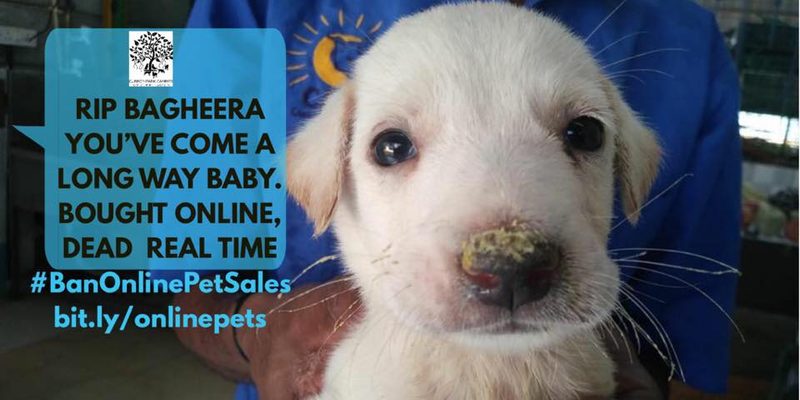
Here’s the thing. Injustice has a way of provoking rage. It’s an anger (for the most part) that comes from compassion. But rage and opinions by themselves can’t create change. And
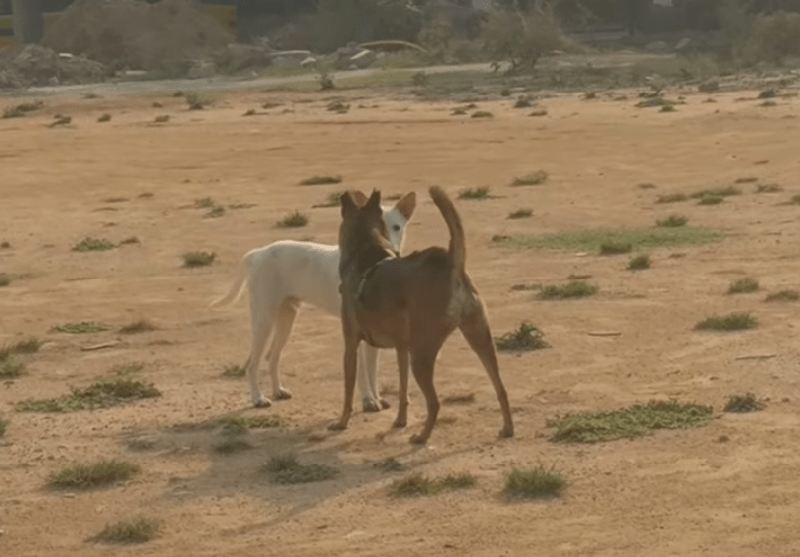
I recently found out that I got quoted in a book by Dr. Marc Bekoff – Canine Confidential: Why Dogs Do What They Do. The context was my #livesofstreeties project. He quotes the stu
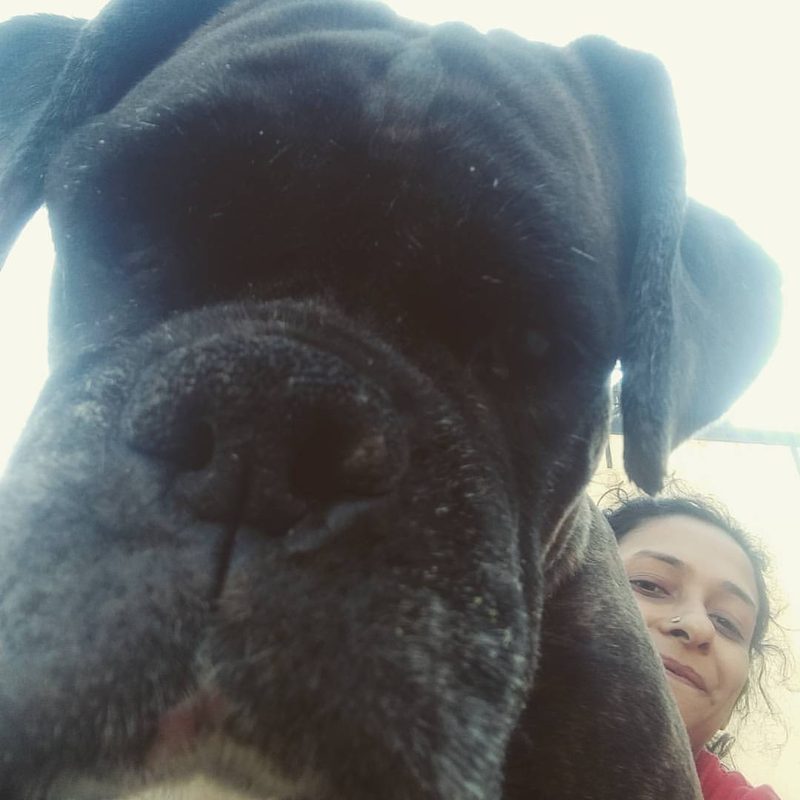
I have been wanting to write again for a while but we’ve been caught up in so many changes at BHA that I have not had a chance to get around to doing it. But, I am now doing some e
No stories in this theme yet.
 BHARCS