
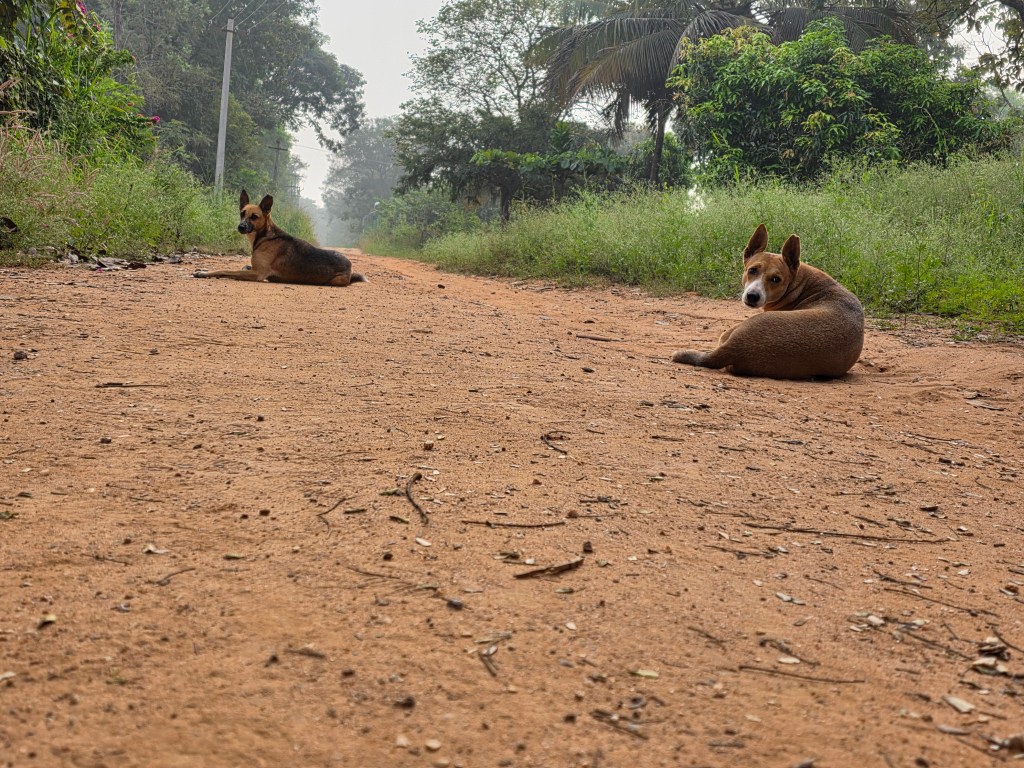
India stands at a critical juncture in its public health journey. After two decades of remarkable success—evidenced by an 88% drop in reported human rabies cases between 2005 and 2022, and a 75% decline in estimated cases between 2003 and 2023—this hard-won progress is now perilously threatened. The threat does not come from the free-living dogs (FLDs) themselves, but from recent administrative and judicial directives promoting their large-scale displacement or removal. Scientific experts are unequivocal: mass relocation is an “ecological, unscientific, and ethical disaster” that risks reversing national achievements and inviting new crises.
The impulse to relocate dogs, often spurred by sensational media reports and short-term data, offers the illusion of a quick solution. However, this impulse flies in the face of over a century of evidence and contravenes the country’s own legal framework. The foundational principle for dog management in India is the Capture-Neuter-Vaccinate-Release (CNVR) strategy. The Animal Birth Control (ABC) Rules, 2023, which are statutory rules under the Prevention of Cruelty to Animals Act, 1960, explicitly mandate that sterilised and vaccinated dogs be released back into the same locality where they were captured. Proposals for mass removal or “zero tolerance for homelessness” are legally and ethically problematic, violating the constitutional and ethical frameworks governing animal welfare in India. Historically, “catch and kill” programs, such as those run by the Madras Corporation for over a hundred years, consistently failed to control populations or reduce rabies.
The scientific failure of relocation is rooted in dog ecology. When established, stable dog populations are suddenly removed, their vacant territories create a “population vacuum”. This vacuum is rapidly filled by new, often unvaccinated and unsterilized dogs migrating into the area. This process destabilises social structures, increases stress and conflict, and critically, undermines herd immunity by removing vaccinated animals, thereby allowing rabies risk to surge back. The World Health Organization (WHO) and the World Organisation for Animal Health (WOAH) maintain that Capture-Neuter-Vaccinate-Release (CNVR) targeting at least 70% vaccination coverage is the only scientifically validated approach for rabies elimination.
Beyond rabies, mass dog removal poses a severe ecological threat. Free-living dogs are integral players in urban scavenging networks, helping to control pest populations, including rodents. Scientists warn that removing dogs can lead to a drastic increase in rats and mice. Rodents, unlike dogs, cannot be caught and vaccinated. This increased population of vectors raises the risk of outbreaks of serious zoonotic diseases like leptospirosis and plague, a risk painfully demonstrated by the 1994 plague outbreak in Surat, India, which was tied to preceding mass destruction of street dogs. By going against WHO recommendations, India risks deliberately creating conditions that heighten anxiety around potential novel disease outbreaks and pandemics.
Finally, the policy ignores the profound human-animal bond woven into the fabric of Indian society. These dogs are not “feral” but community animals, who have evolved alongside humans for generations. Across India, thousands of dedicated feeders provide extensive care, noticing injuries and facilitating medical interventions, demonstrating a deep emotional investment that goes beyond “owning” a pet. This care should not be seen as an impediment, but an integral part of the solution. Caregivers make dogs approachable, significantly simplifying and reducing the cost of vaccination efforts. They can enable static point vaccinations that reduce the need for dog catchers, that dramatically reducing cost of the program, while increasing coverage. Furthermore, the separation of dogs from humans they are bonded to causes severe emotional distress that is scientifically proven to be biologically similar to separating a child from a mother. The extent of grief experienced in the country will surely have a fallout on the national mental and social health. And finally, this drive for eradication directly contradicts the philosophy of cohabitation and respect for life forms celebrated in the Indian Knowledge System (IKS) and ancient texts like the Mahabharata. The Indian identity is build on that of ahimsa and respect for non-human lives. Is our new national identity one of dogs wasting away in squalid shelters and that of violence against innocent animals and feeders who are predominantly women. One wonders who benefits from this new image of India? Whose vision is this and is this what we, the citizens of this country want?
It is entirely possible to protect public health while respecting animal welfare and the law. The way forward is not through punitive, ineffective, violent methods, but through a commitment to the proven, systemic solution: rigorous and sustained CNVR implementation to achieve the 70% coverage threshold. This must be paired with tighter regulation of illegal breeding, stricter laws on prevention of cruelty to animals and the formal integration of community caregivers into CNVR programs.
India must reject the emotional demand for a quick, destructive fix and instead prioritize the scientific, humane, and legal path of coexistence. The cost of failing to do so will be measured in renewed public health crises and profound social disruption.
For a more technical discussion on the topic, with credible sources please refer to the document provided (click here). It is co-authored by some experts who are actively involved in implementing these systems for India. Hope you take the time to read and understand the complexity of this system.
- Dr. Chinny Krishna, the very person who gave us the ABC solution in the first place, which then went on to become the WHO standard for this solution (which apparently now we don’t care about). Dr. Krishna has innumerable national and international awards for this and yet, today we seem to eager to discard this program.
- Dr. Balaji Chandrashekar, who heads operations of Mission Rabies in India, an organisation that has systematically gone about creating Rabies controlled pockets in India, through diligent application of global best practises and documenting it along the way. So we know the path to rabies eradication and we know how to get there, but who is listening?
- Dr. Anindita Bhadra of The Dog Lab at IISER, Kolkota, who has graduated the most number of PhDs who are experts on free-living dogs. Not pet dogs, not other animals, but specifically free-living dogs of India. Her life’s work is understanding the ecology of these dogs and should be the first person we should all be going to for all things related to ecology of streeties. Let us not forget that the ecology of free-living dogs is intricately linked to humans and so this perspective is critical.
- Dr. Asher Jesudoss, a member of the State Animal Welfare Board of Delhi, who brings in a good understanding of policy around all this.
- Annelieke Laninga, who has extensive experience in community animal management in Delhi. She has years of hands on experience in caring for these animals and resolving human-dog conflict.
- Sowjanya Vijayanagar and myself from BHARCS, who bring in an understanding of dog behaviour itself.
About The Authors

Sindhoor is a canine behaviour consultant, a canine myotherapist, an anthrozoologist and an engineer by qualification. She researches free living dogs in Bangalore, India. She has presented her findings at major international conferences in the US, UK and has conducted seminars in Europe, UK and South America. She has been invited as an expert on several podcasts, including a few on NPR radio. She maintained a weekly column on dog behaviour, in The Bangalore Mirror for two years. She is a TEDx speaker, the author of the book, Dog Knows. National Geographic calls hers a ‘Genius Mind’ in the bookazine, Genius of Dogs. She is currently the principal and director of BHARCS. BHARCS offers a unique, UK-accredited level 4 diploma on canine biosociopsychology and applied ethology.
 The BHARCS Blog
One thought on “The Dangerous Illusion of the ‘Quick Fix’: Why Mass Dog Relocation is an Ecological and Ethical Disaster for India”