
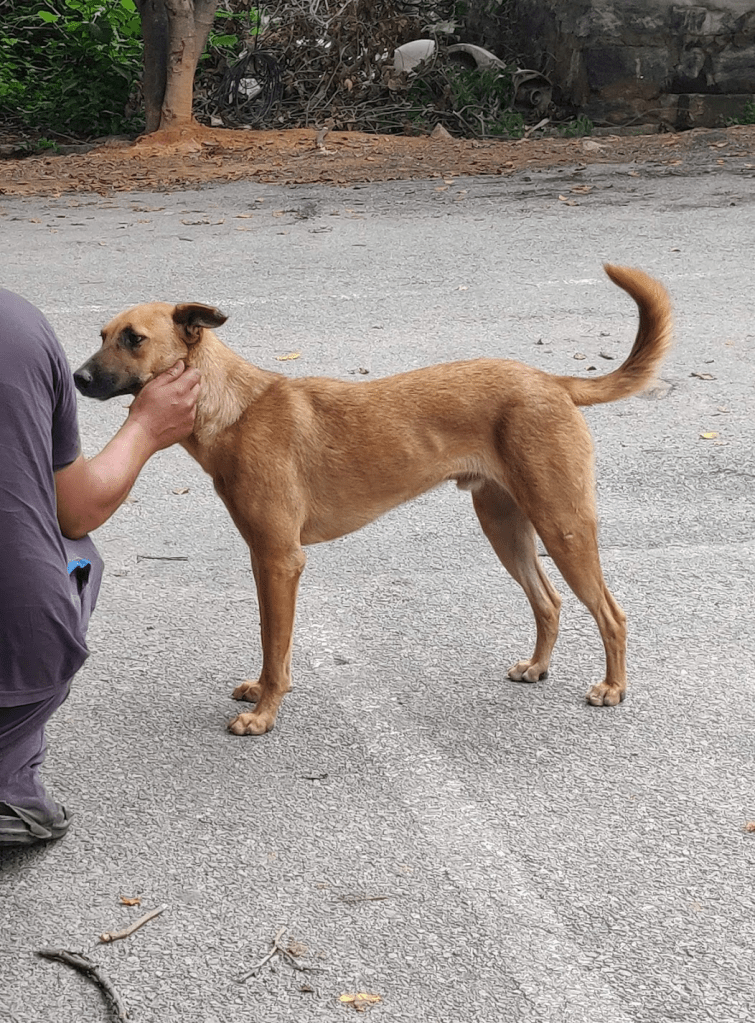
Recent directives to clear free-living dogs (FLDs) from public spaces—including schools, hospitals, and transit hubs—have been framed as a necessary public safety measure. However, as administrative chaos mounts and scientific warnings are ignored, it is becoming clear that the proposed “solution” of mass relocation is not only failing on the ground but is actively jeopardizing India’s two decades of success in rabies control.
The push to relocate dogs is proving to be an administrative and ethical absurdity, placing impossible demands on municipal bodies and thrusting dangerous, undue duties upon over-burdened professionals, like teachers.
The Administrative Folly: Unfunded Mandates and Professional Backlash
This rushed attempt to implement the Supreme Court’s removal order is collapsing under the weight of logistical, financial, and professional pressures, generating widespread resistance across states:
- Administrative Revolt (Gujarat): In Gujarat, the Gujarat Rajya Talati-Mantri Mahamandal, the representative body for the Talatis (village and administrative officials), has officially protested the new stray dog mandate and publicly demanded its revocation from the government. This highlights the unworkable nature of the order even at the local governance level (read more).
- Educational Outcry (J&K and Chhattisgarh): In Poonch, Jammu and Kashmir, authorities issued a directive instructing schoolteachers to become nodal officers to log stray dog sightings and publicly display their personal phone numbers on school boundary walls for rapid reporting. This was met with criticism from education professionals who called the assignment “disrespectful” and inconsistent with their academic focus (read more). A similar controversial directive in Chhattisgarh tasked principals and teachers with monitoring not just stray dogs but also snakes and scorpions, with the warning that they would be held accountable if a student was harmed by an animal(read more).
- Municipal Gridlock (Vijayawada): Meanwhile, civic bodies are struggling with logistics. Four weeks into the eight-week compliance deadline set by the Supreme Court, the Vijayawada Municipal Corporation (VMC) has made “no substantial work” towards setting up dedicated dog shelters. The VMC, which estimates the city has around 17,000 stray canines, is currently shifting the few dogs it captures to a single Animal Birth Control (ABC) centre with only 320 kennels (read more).
The Scientific and Legal Backlash: Why Removal is Illegal and Counterproductive
The scientific consensus, supported by extensive literature, proves that these relocation-focused directives are guaranteed to fail and cause more harm:
- Legal Violation: Removal and relocation are fundamentally illegal under Indian law. The Animal Birth Control (ABC) Rules, 2023, explicitly mandate that sterilized and vaccinated dogs must be released back into the same locality where they were captured (in-situ release).
- Increasing rabies transmission : One must remember that removal of dogs can potentially involve handling of dogs with rabies. Mixing these dogs with other dogs or even use of the same vehicle to transport dogs with and without rabies can dramatically increase risk of spread of the disease. Hence, organisations that are involved with rabies eradication, like Mission Rabies, not only specify stringent SOPs for handling of these dogs, but provide thorough training for those involved. Bypassing all of this, and thrusting this responsibility in the hands of those who are ill equipped to do so, using facilities and resourced not designed specifically for this is a dangerous move with little regard to the health and wellbeing of the people involved.
- The Vacuum Effect: Relocation ignores dog ecology, which relies on territorial stability. Removing established dogs creates a “population vacuum,” which is quickly filled by the influx of new dogs, who are often unvaccinated and unneutered. This destabilizes the population, also leading to an increased risk of rabies reintroduction.
- Increased Conflict: The influx of new, unfamiliar dogs destabilizes established social structures and makes them more likely to cause bites and conflict compared to stable, known community dogs. Furthermore, mass removal programs can shape the remaining dog population into one that is more wary and reactive toward humans, increasing the probability of defensive biting.
- Epidemic Risk: Dog populations naturally help keep rat populations in check. Their removal can lead to a dramatic increase in rodents, which are vectors for severe epidemics like leptospirosis and plague. Experts warn that increasing exposure to rodents also introduces the risk of novel diseases, contributing to global anxiety around potential pandemic situations, particularly in an anti-biotic resistant country like India that is also facing natural calamities like floods and extreme temperatures.
Click here for scientific reports and expert opinion in this matter.
The Only Valid Solution: Coexistence and CNVR
Relocation is a costly, inhumane, and ineffective strategy. The evidence overwhelmingly supports the in-situ Catch-Neuter-Vaccinate-Release (CNVR) program. Successful programs in cities like Jaipur, Goa and Chennai prove that consistent CNVR implementation, which targets at least 70% vaccination coverage to maintain herd immunity, leads to stable populations and the eradication of rabies. Furthermore, the presence of a stable vaccinated population of dogs around humans, creates a bio-buffer around humans, keeping away other species that can bring with it novel zoonotic diseases and other kinds of conflict. Instead of issuing impossible mandates and shifting undue responsibilities onto teachers and Talatis, authorities must focus on the rigorous, systematic application of the humane and legal CNVR framework (read more).
 The BHARCS Blog