
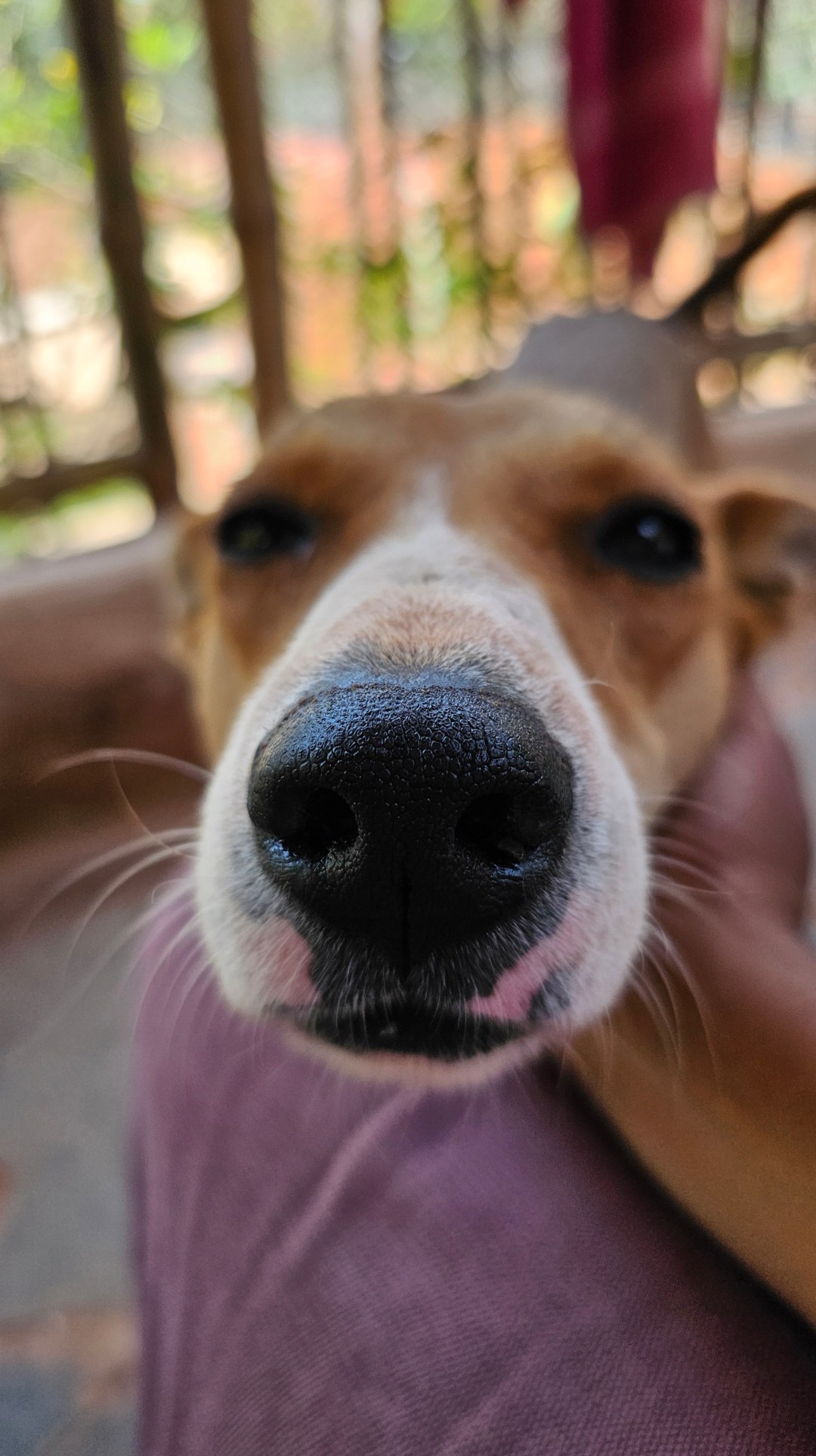
The idea that dogs can "smell fear" and will attack fearful people is deeply embedded in popular culture. You've probably heard it as advice: "Don't show fear around dogs or they'll bite you." But what does science actually tell us? The research challenges this myth and shows us that human behaviour, not canine aggression toward … Continue reading Do Dogs Bite Because They Smell Fear?
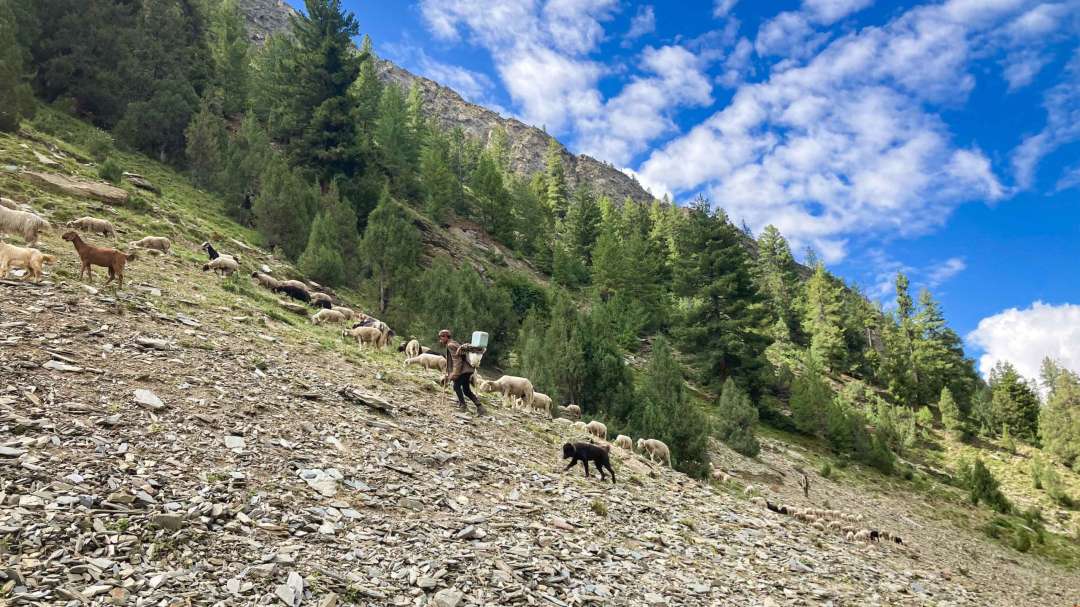
Free-living Dogs of India : Essential Ecological Bio-buffers Between Humans and Wildlife
Are free-living dogs causing conflict—or preventing it? From Ladakh to the Nilgiris, dogs have long acted as sentinels and guardians, buffering humans from wildlife. This piece challenges “dog menace” narratives and explains why removing dogs often worsens conflict instead of solving it.
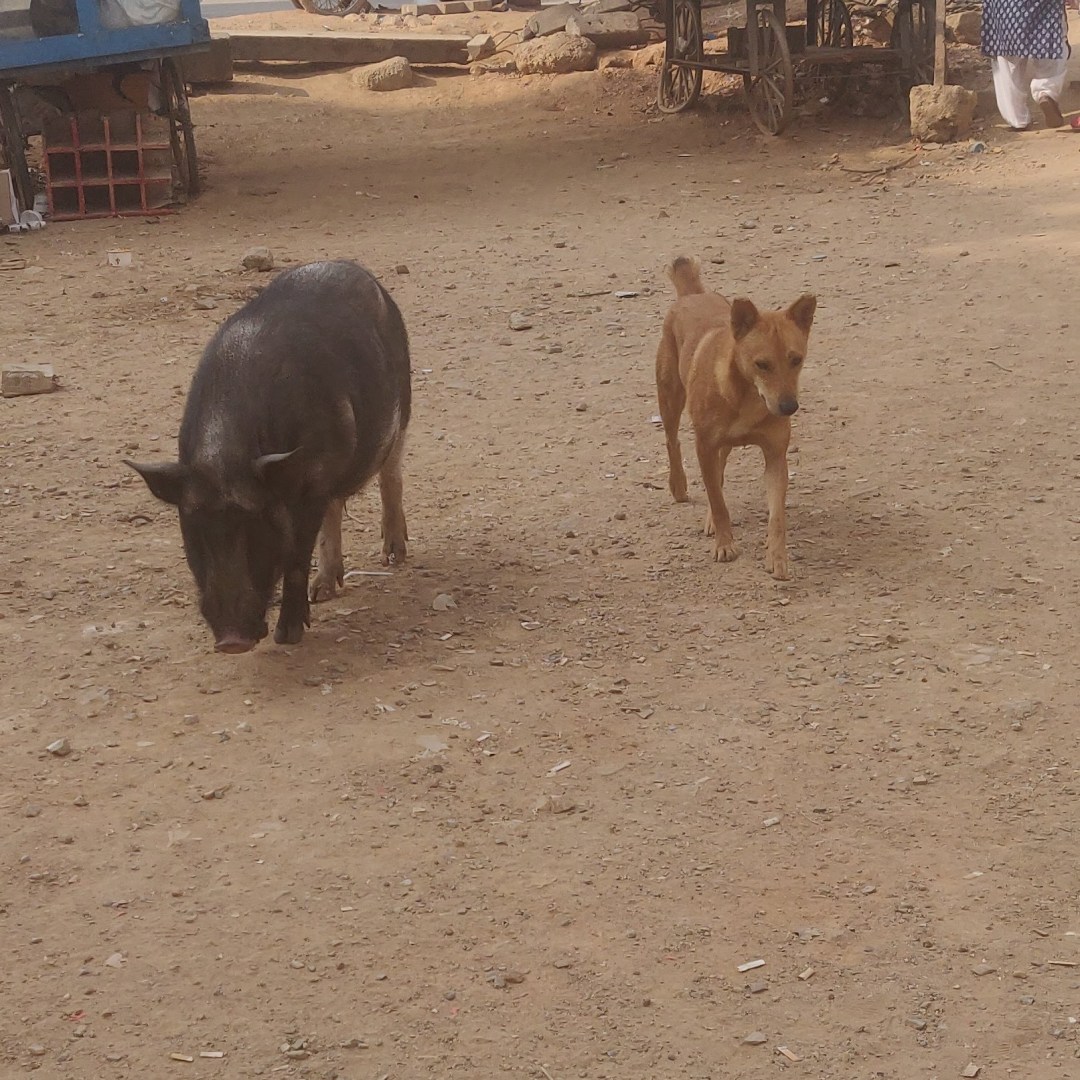
A Rebuttal to the Article “Feral Dogs on the Roof of the World”: Evidence-Based Challenges to Media Sensationalism and Policy Implications
The New York Times’ “Feral Dogs on the Roof of the World” mistakes compelling storytelling for sound science. This evidence-based rebuttal shows why free-ranging dogs are not feral invaders, how human systems create conflict, and why culling and relocation threaten conservation, public health and rabies control.
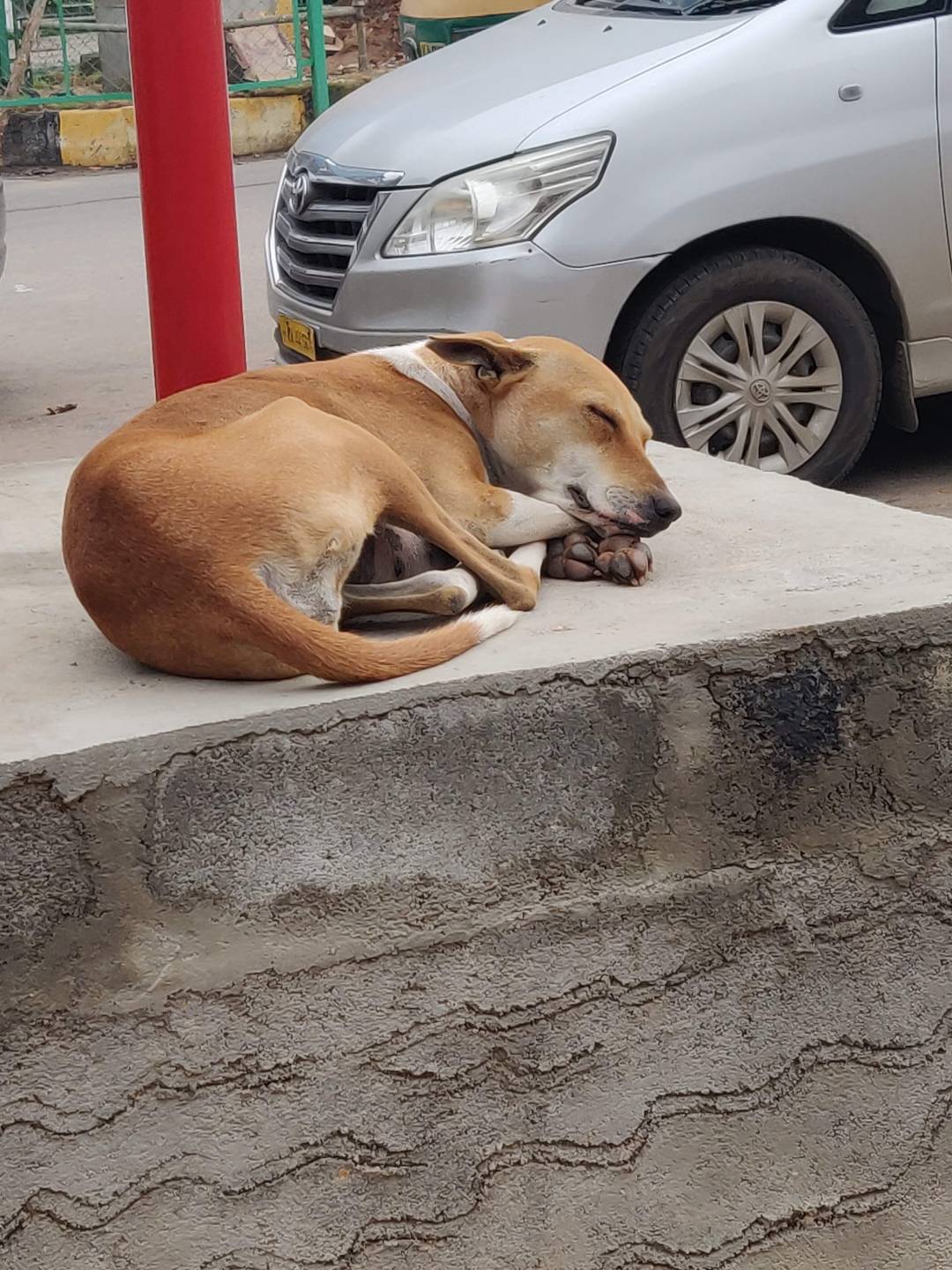
You Cannot Read a Dog’s Mind — But You Can Prevent Dog Bites
Dog bites are not random. Science shows they arise from stress, hunger, and instability—and that prevention works by addressing conditions, not by removing dogs.

Why Citizen-care of Free-Living Dogs Is a Public-Health Necessity
India can eliminate rabies by supporting citizen care of free-living dogs. Science shows vaccination and ABC-AR succeed where removal fails.
 The BHARCS Blog